
































Empowering Preteen Girls: Boosting Self-Esteem with Practical Steps and Natural Supp
Discover actionable steps to boost self-esteem in preteen girls, including positive self-talk, skill-building, and supportive environments. Learn about herbs and supplements like omega-3s and chamomile, backed by peer-reviewed research


Preteen years (ages 9–12) are a pivotal time for girls, marked by rapid physical, emotional, and social changes. As they navigate peer pressures, body image concerns, and academic expectations, self-esteem can take a hit. Low self-esteem may lead to anxiety, depression, or poor academic performance, making it crucial for parents to foster confidence during this stage. This article provides actionable, evidence-based strategies for parents to boost their preteen daughters’ self-esteem, supported by peer-reviewed research, and explores the potential role of herbs and supplements.
Understanding Self-Esteem in Preteen Girls
Self-esteem reflects how girls perceive their worth and capabilities. High self-esteem equips them to handle challenges, form healthy relationships, and pursue goals. However, societal pressures, social media, and comparisons with peers can undermine confidence. Research highlights that preteen girls are particularly vulnerable to appearance-based self-esteem issues, especially with increased social media exposure. Parents play a critical role in countering these influences by modeling positive behaviors and creating supportive environments.
Actionable Steps for Parents
Based on peer-reviewed studies and expert recommendations, here are practical steps parents can take to nurture self-esteem in preteen girls:
-
Model Positive Self-Talk and Body Acceptance
Negative self-talk from parents, such as commenting on weight or appearance, can harm a girl’s self-image. Instead, model self-compassion and focus on strengths. For example, avoid saying, “I look fat in this,” and instead say, “I feel strong after my workout.” Encourage your daughter to identify three things she likes about herself daily, such as her creativity or kindness.
Research Support: A study by O’Mara et al. (2006) found that interventions using praise and feedback significantly boost self-esteem, emphasizing the power of positive reinforcement. -
Encourage Skill-Building and Independence
Help your daughter learn new skills, such as playing an instrument, coding, or sports, to foster a sense of accomplishment. Let her try tasks independently, even if she makes mistakes, to build resilience. For instance, if she’s interested in art, enroll her in a class and celebrate her progress, not just perfection.
Research Support: Harter (2012) notes that competence in valued domains, like academics or hobbies, is a key determinant of self-esteem in children. -
Create a Supportive Environment
Foster a home where your daughter feels valued and heard. Spend quality time together, such as cooking or hiking, and listen without judgment. Encourage peer support by helping her join clubs or groups where she can connect with positive friends. If she faces bullying or negative peer interactions, address it promptly by talking to her school or a counselor.
Research Support: A longitudinal study by Amato et al. (2016) showed that supportive family environments positively predict self-esteem development from ages 10 to 16. -
Limit Social Media Exposure and Discuss Its Impact
Social media can lower appearance self-esteem, especially in girls, due to idealized images. Set boundaries, like no phones during family time, and discuss how curated posts don’t reflect reality. Encourage activities that don’t involve screens, such as reading or outdoor play.
Research Support: A 3-wave study by Steinsbekk et al. (2021) found that other-oriented social media use (e.g., liking others’ posts) predicts reduced appearance self-esteem in girls aged 10–14. -
Teach Self-Compassion and Resilience
Help your daughter embrace imperfections by sharing stories of your own setbacks and recoveries. Use exercises like journaling to reflect on challenges and what she learned. For example, if she struggles with a test, ask, “What can you try differently next time?” rather than focusing on the grade.
Research Support: Neff’s (2011) study on adolescents found that self-compassion is linked to greater well-being and resilience, offering a healthier alternative to perfectionism.
The Role of Herbs and Supplements
Herbs and supplements may support emotional well-being, which can indirectly boost self-esteem by reducing anxiety or improving mood. However, evidence is limited, and parents should consult a pediatrician before use, as preteen bodies are sensitive to supplements. Below are options with some research backing, used cautiously:
-
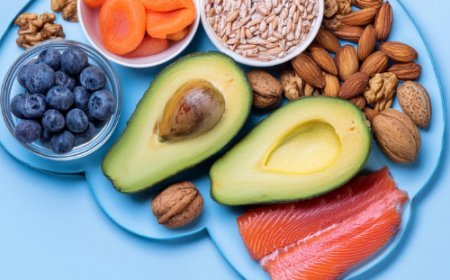
Omega-3 Fatty Acids: Found in fish oil, omega-3s may support mood and cognitive function, potentially reducing anxiety that undermines self-esteem. A 2017 study in Nutritional Neuroscience found omega-3 supplementation improved emotional regulation in children. Dose: 500–1000 mg daily, as prescribed. Food sources like salmon or walnuts are safer alternatives.
-
Chamomile: This herb, often consumed as tea, has calming effects that may ease anxiety. A 2016 study in Phytomedicine showed chamomile reduced anxiety symptoms in adults, with potential benefits for children at lower doses (e.g., 1 cup of weak tea). Avoid in girls with ragweed allergies.
-
Magnesium: Magnesium supports nervous system health and may reduce stress. A 2017 review in Nutrients linked magnesium to improved mood in adults, with possible benefits for preteens. Dose: 100–200 mg daily, preferably from foods like spinach or almonds.
Caution: Avoid herbs like St. John’s Wort, which can interact with medications and isn’t safe for children. Always verify supplement quality with third-party certifications (e.g., USP) and prioritize diet and lifestyle over supplements.
Peer-Reviewed Research Supporting Strategies
-
Title: Self-esteem Interventions in Adults – A Systematic Review and Meta-analysis
Authors: O’Mara, A. J., Marsh, H. W., Craven, R. G., & Debus, R. L.
Journal: Journal of Research in Personality (2006)
Key Finding: Interventions using praise and feedback have moderate to large effects on self-esteem, applicable to children with tailored approaches. -
Title: The Impact of Social Media Use on Appearance Self-Esteem from Childhood to Adolescence – A 3-Wave Community Study
Authors: Steinsbekk, S., Wichstrøm, L., Stenseng, F., Nesi, J., Hygen, B. W., & Skalická, V.
Journal: Computers in Human Behavior (2021)
Key Finding: Other-oriented social media use negatively affects appearance self-esteem in girls, highlighting the need for media boundaries. -
Title: Family Environment and Self-Esteem Development: A Longitudinal Study from Age 10 to 16
Authors: Amato, P. R., King, V., & Thorsen, M. L.
Journal: Journal of Personality and Social Psychology (2016)
Key Finding: Supportive family environments, including parental warmth, foster self-esteem development in adolescents.
Conclusion
Boosting self-esteem in preteen girls requires intentional, consistent effort from parents. By modeling positive behaviors, encouraging skill development, creating supportive environments, managing social media, and teaching self-compassion, parents can empower their daughters to thrive. Herbs and supplements like omega-3s, chamomile, or magnesium may offer mild support but should be used cautiously under medical guidance. The strategies outlined, grounded in research, can help preteen girls build confidence to face challenges and embrace their unique strengths. Start small—try one step this week, like a family media-free night, and watch your daughter’s self-esteem grow.
What's Your Reaction?
 Like
0
Like
0
 Dislike
0
Dislike
0
 Love
0
Love
0
 Funny
0
Funny
0
 Angry
0
Angry
0
 Sad
0
Sad
0
 Wow
0
Wow
0