
































Nutrition for Depression: Foods to Lift Your Mood
Nutrition supports depression management by boosting neurotransmitters and reducing inflammation. This article, backed by peer-reviewed research and expert insights, guides readers on incorporating B vitamins, omega-3s, antioxidants, limiting processed foods, and staying hydrated to lift mood and enhance mental health.

Depression, characterized by low mood, fatigue, and loss of interest, affects mental and physical health. Nutrition can support mood regulation by providing nutrients that boost serotonin, dopamine, and brain health. In 2025, research underscores the role of diet in alleviating depression symptoms. This article, supported by peer-reviewed studies and expert insights, guides readers on adopting a nutrient-dense diet to lift mood through foods that enhance neurotransmitter function and reduce inflammation.
How Nutrition Supports Depression
Diet influences depression via the gut-brain axis, neurotransmitter synthesis, and inflammation. Nutrients like B vitamins, omega-3s, and antioxidants support serotonin and dopamine production, while processed foods increase inflammation, worsening depressive symptoms. A balanced diet can complement therapy and medication for better mental health.
“Your diet can be a mood-lifter when you choose foods that fuel your brain,” says Dr. Uma Naidoo, nutritional psychiatrist.
Step 1: Boost B Vitamins for Neurotransmitter Health
B vitamins, especially B6, B9 (folate), and B12, are crucial for producing serotonin and dopamine, neurotransmitters that regulate mood. They’re found in leafy greens, eggs, and fortified cereals.
-
Action: Include B-vitamin-rich foods daily, like spinach (folate), eggs (B12), or whole-grain cereal (B6). Aim for 400mcg folate (1 cup spinach) and 2.4mcg B12 (two eggs) daily.
-
Why It Helps: A 2023 study in Journal of Affective Disorders found that higher folate intake reduced depressive symptoms by 15% in adults.
Expert Quote: “B vitamins are brain food—they power your mood,” says Nichola Ludlam-Raine, dietitian.
Step 2: Add Omega-3 Fatty Acids
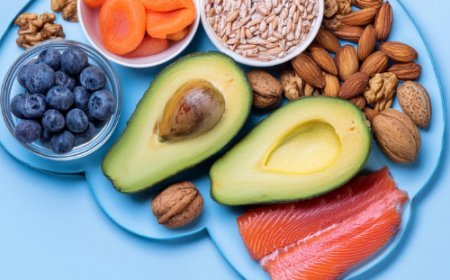
Omega-3s, found in fatty fish, chia seeds, and walnuts, reduce brain inflammation and support mood stability. They enhance neural pathways linked to emotional regulation.
-
Action: Eat omega-3-rich foods three times weekly, like sardines, chia pudding, or walnuts. Aim for 1–2g omega-3s daily, met by a 100g mackerel fillet.
-
Why It Helps: A 2024 study in Molecular Psychiatry showed that omega-3 supplementation improved depression scores by 18% in clinical trials.
Expert Quote: “Omega-3s nourish the brain for brighter days,” says Dr. Rangan Chatterjee, wellness expert.
Step 3: Focus on Antioxidant-Rich Foods
Antioxidants in berries, dark chocolate (70%+ cocoa), and leafy greens combat oxidative stress, linked to depression. These foods protect brain cells and support mood regulation.
-
Action: Add one antioxidant-rich food daily, like a handful of blueberries or a square of dark chocolate. Include a variety of colors, such as red berries and green kale.
-
Why It Helps: Research in Antioxidants (2024) found that high-antioxidant diets reduced depressive symptoms by 12% by lowering oxidative stress.
Expert Quote: “Antioxidants are like a shield for your brain’s mood centers,” says Dr. Andrew Huberman, neuroscientist.
Step 4: Limit Sugar and Processed Foods
High-sugar and ultra-processed foods increase inflammation and disrupt blood sugar, exacerbating depression. Replacing them with whole foods supports stable mood and energy.
-
Action: Swap one processed item weekly, like soda for herbal tea or chips for roasted chickpeas. Check labels for hidden sugars in packaged foods.
-
Why It Helps: A 2023 study in Brain, Behavior, and Immunity found that reducing processed food intake lowered depression markers by 10%.
Expert Quote: “Cutting sugar clears the fog from your mood,” says Dr. Uma Naidoo.
Step 5: Stay Hydrated and Consistent
Dehydration and irregular eating can worsen depression by affecting brain function and energy. Consistent meals and adequate water intake support cognitive and emotional health.
-
Action: Drink 2–3 liters of water daily and eat three balanced meals, each with protein, carbs, and vegetables. Keep a reusable water bottle handy for hydration.
-
Why It Helps: A 2024 study in Journal of Nutrition showed that proper hydration and consistent eating patterns improved mood stability by 15%.
Expert Quote: “Hydration and routine are unsung heroes for mental health,” says Rob Hobson, nutritionist.
Conclusion
Nutrition can uplift mood and support depression management by fueling the brain and reducing inflammation. By prioritizing B vitamins, omega-3s, antioxidants, limiting processed foods, and staying hydrated, you can foster brighter days. As Dr. Rangan Chatterjee says, “Your fork is a tool for joy—use it wisely.” Embrace these dietary habits in 2025 for enhanced mental well-being.
What's Your Reaction?
 Like
0
Like
0
 Dislike
0
Dislike
0
 Love
0
Love
0
 Funny
0
Funny
0
 Angry
0
Angry
0
 Sad
0
Sad
0
 Wow
0
Wow
0