
































Foods That Help Reduce Anxiety: A Whole Food Approach That’s Simple and Cost-Effective
This article explores how diet can reduce anxiety, highlighting whole foods like fatty fish, leafy greens, berries, fermented foods, nuts, and whole grains, which provide nutrients to support brain health and mood regulation. It emphasizes removing processed foods, linked to a 48% higher anxiety risk due to inflammation and nutrient deficiencies. A whole food diet is presented as simpler and more cost-effective, with lower grocery and healthcare costs. Backed by three peer-reviewed studies, the article offers practical tips to adopt these changes, showing how dietary shifts can manage anxiety effectively.

Anxiety disorders affect millions globally, with symptoms ranging from persistent worry to physical effects like a racing heart or insomnia. While therapy and medication are common treatments, diet plays a significant role in managing anxiety. Emerging research highlights that certain foods can reduce anxiety symptoms, while processed foods may exacerbate them. This article explores evidence-based foods that help decrease anxiety, the benefits of removing processed foods, and how a whole food diet is both easier to manage and more cost-effective. Supported by peer-reviewed studies, we’ll provide practical steps to make this dietary shift accessible and sustainable.
Foods That Help Reduce Anxiety
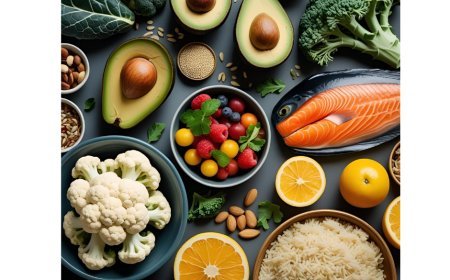
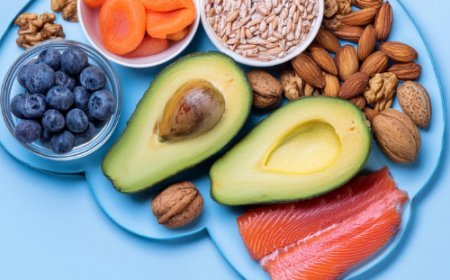
Certain foods contain nutrients that support brain health, reduce inflammation, and regulate neurotransmitters like serotonin and GABA, which are linked to mood and anxiety. Below are key foods backed by research, along with their benefits:
-
Fatty Fish (e.g., Salmon, Mackerel)
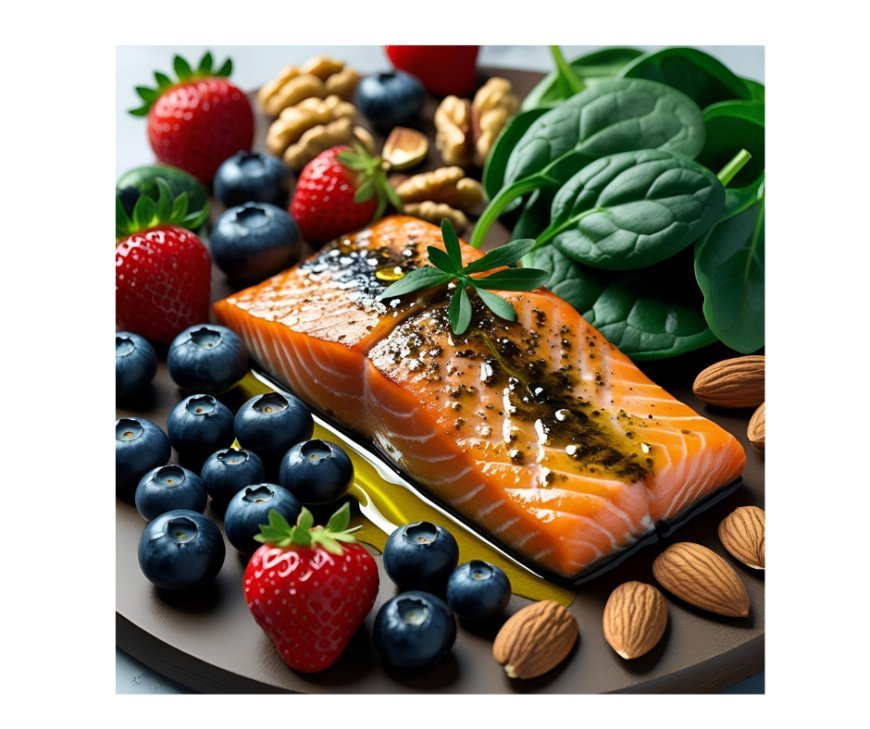
Rich in omega-3 fatty acids (EPA and DHA), fatty fish reduce inflammation and support brain cell function, potentially lowering anxiety. A 2011 study found that omega-3 supplementation reduced anxiety in medical students by 20%.
How to Include: Aim for two servings (3–4 oz) weekly. Grill salmon with lemon or add canned mackerel to salads. -
Leafy Greens (e.g., Spinach, Kale)
High in magnesium, leafy greens help regulate cortisol (the stress hormone) and balance neurotransmitters. A 2021 study linked magnesium supplementation to reduced anxiety in stressed adults with low magnesium levels.
How to Include: Add spinach to smoothies or sauté kale with garlic as a side dish. -
Berries (e.g., Blueberries, Strawberries)
Berries are packed with antioxidants like vitamin C, which combat oxidative stress linked to anxiety. A 2018 study found that higher fruit and vegetable intake, including berries, was associated with better mental health.
How to Include: Snack on fresh berries or blend them into yogurt for breakfast. -
Fermented Foods (e.g., Yogurt, Sauerkraut)
Probiotics in fermented foods support gut health, which influences mood via the gut-brain axis. A 2015 study in Psychiatry Research linked probiotic-rich foods to reduced social anxiety.
How to Include: Choose plain, unsweetened yogurt with live cultures or add sauerkraut to sandwiches. -
Nuts and Seeds (e.g., Brazil Nuts, Pumpkin Seeds)
Brazil nuts provide selenium, an antioxidant linked to lower anxiety in children with low levels, while pumpkin seeds are high in zinc, which supports neurotransmitter function. A 2021 review noted zinc’s role in mental well-being.
How to Include: Eat 2–3 Brazil nuts daily (avoid excess due to selenium toxicity) or sprinkle pumpkin seeds on salads. -
Whole Grains (e.g., Quinoa, Brown Rice)
Complex carbohydrates stabilize blood sugar and boost serotonin production, promoting calmness. A 2023 study found that whole grains in a Mediterranean diet were linked to lower anxiety symptoms.
How to Include: Swap white rice for quinoa or brown rice in meals.
Research Insight: A 2021 review in Nutrients emphasized that diets rich in whole, unprocessed foods like vegetables, fruits, and fish provide micronutrients (e.g., zinc, selenium) essential for neurotransmitter synthesis, reducing anxiety symptoms.
The Case for Removing Processed Foods
Processed and ultra-processed foods (UPFs)—such as packaged snacks, sugary drinks, and fast food—are linked to worse mental health outcomes. These foods, defined by the NOVA classification, contain additives like high-fructose corn syrup, artificial flavors, and emulsifiers, and are low in nutrients. Here’s why removing them is crucial:
-
Increased Anxiety Risk: A 2024 meta-analysis in Nutrients found that high UPF consumption was associated with a 48% higher risk of anxiety symptoms. The study noted that UPFs promote inflammation and disrupt gut microbiota, both linked to anxiety.
-
Blood Sugar Spikes: Processed foods high in refined sugars cause blood sugar fluctuations, triggering cortisol release and anxiety. A 1993 study showed that low blood glucose levels increased irritability and anxiety due to counter-regulatory hormones like cortisol.
-
Nutrient Deficiency: UPFs lack essential nutrients like omega-3s, magnesium, and B vitamins, which are critical for brain health. A 2023 article in National Geographic noted that diets high in UPFs (57% of U.S. adult calories) shortchange the brain of phytonutrients like polyphenols, which have anti-anxiety effects.
Removing processed foods can break this cycle, allowing the body to stabilize mood-regulating systems. A 2019 study in The British Medical Journal found that increasing fruit and vegetable intake reduced mental health symptoms, suggesting that replacing UPFs with whole foods is a practical step.
Why a Whole Food Diet Is Easier and More Cost-Effective
Transitioning to a whole food diet—centered on minimally processed vegetables, fruits, whole grains, lean proteins, and healthy fats—may seem daunting, but it’s simpler and more budget-friendly than many assume. Here’s why, with practical tips to make it manageable:
-
Simplicity in Preparation
Whole foods require minimal processing, reducing cooking complexity. For example, roasting vegetables or grilling fish takes less time than preparing processed meals with multiple steps. A whole food diet focuses on basic ingredients, eliminating the need for specialized recipes or equipment.
Tip: Batch-cook staples like quinoa or roasted vegetables weekly to save time. Keep frozen berries or fish on hand for quick meals. -
Cost Savings
Processed foods, especially fast food and pre-packaged meals, are often more expensive per serving than whole foods. A 2018 USDA report found that fresh produce (e.g., carrots, apples) and bulk grains (e.g., rice, oats) cost less per pound than packaged snacks or frozen meals. For instance, a pound of brown rice ($1–2) yields 6–8 servings, while a single fast-food meal can cost $8–10.
Tip: Buy seasonal produce, shop at farmers’ markets, or choose frozen vegetables, which are often cheaper and retain nutrients. Bulk-buy nuts and grains at co-ops or discount stores. -
Reduced Food Waste
Whole foods like root vegetables, grains, and frozen items have longer shelf lives than processed foods, which often expire quickly (e.g., pre-made salads). A 2020 study in The American Journal of Clinical Nutrition noted that whole food diets align with sustainable eating, reducing waste and costs.
Tip: Store greens in airtight containers to extend freshness, and freeze extra produce for smoothies or soups. -
Health Cost Benefits
A whole food diet may lower healthcare costs by reducing anxiety and related conditions. A 2024 BMJ study estimated that reducing UPF intake could decrease chronic disease burden, including mental health disorders, saving billions in medical expenses globally. Fewer doctor visits and medications translate to long-term savings.
Tip: Track grocery spending for one month to compare costs of whole foods vs. processed items—most find whole foods cheaper when planned. -
Ease of Habit Formation
Unlike fad diets requiring specific products, a whole food diet is flexible and sustainable. A 2022 study in Frontiers in Psychology found that gradual dietary changes, like adding one whole food daily, improve adherence compared to restrictive diets.
Tip: Start by replacing one processed snack (e.g., chips) with a whole food (e.g., apple slices with almond butter) to build habits without overwhelm.
Practical Example: A week’s grocery list for one person might include spinach ($2), frozen berries ($4), canned salmon ($5), quinoa ($3), and Brazil nuts ($3)—totaling ~$17 for multiple meals. Compare this to $30–50 for weekly fast food. Meal prep can yield a salmon-quinoa salad (lunch) and berry-spinach smoothies (breakfast), saving time and money.
Peer-Reviewed Research Supporting Dietary Strategies
The following studies provide evidence for the role of diet in reducing anxiety and the impact of processed foods:
-
Title: Diet and Anxiety: A Scoping Review
Authors: Aucoin, M., LaChance, L., Cooley, K., & Kidd, S.
Journal: Nutrients (2021)
Key Finding: Diets rich in whole foods (vegetables, fruits, whole grains, fish) provide micronutrients like zinc and selenium, which support neurotransmitter synthesis and reduce anxiety. Animal studies showed protein malnutrition worsened anxiety, while human studies linked healthy diets to lower anxiety prevalence. -
Title: Ultra-Processed Food Consumption and Mental Health: A Systematic Review and Meta-Analysis of Observational Studies
Authors: Lane, M. M., Gamage, E., Travica, N., Marx, W., et al.
Journal: Nutrients (2024)
Key Finding: Greater UPF consumption was associated with a 48% increased risk of anxiety symptoms and 44% higher risk of depression, supporting the need to replace processed foods with whole foods to improve mental health. -
Title: Associations Between Diet Quality and Anxiety and Depressive Disorders: A Systematic Review
Authors: Eliby, D., Simpson, C. A., Lawrence, A. S., Schwartz, O. S., Haslam, N., & Simmons, J. G.
Journal: Journal of Affective Disorders (2020)
Key Finding: High-quality diets, particularly the Mediterranean diet rich in whole grains, fish, and vegetables, were linked to reduced anxiety and depression symptoms, with prospective studies supporting cost-effective dietary interventions.
Conclusion
Diet is a powerful tool for managing anxiety, with whole foods like fatty fish, leafy greens, berries, fermented foods, nuts, and whole grains offering proven benefits. Removing processed foods, which increase inflammation and anxiety risk, is a critical step. Contrary to common misconceptions, a whole food diet is simpler to prepare, more cost-effective, and sustainable, with savings from lower grocery and healthcare costs. Backed by peer-reviewed research, these dietary changes are accessible to anyone willing to start small—swap a soda for water or chips for nuts today. Over time, these shifts can reduce anxiety and enhance well-being, making your plate a partner in mental health.
For more guidance, explore resources like the Harvard Health Blog or consult a dietitian. What’s one whole food you’ll try this week? Share your ideas below!
What's Your Reaction?
 Like
0
Like
0
 Dislike
0
Dislike
0
 Love
0
Love
0
 Funny
0
Funny
0
 Angry
0
Angry
0
 Sad
0
Sad
0
 Wow
0
Wow
0