
































The Hidden Dangers of the Standard American Diet: How It's Leading to Widespread Vitamin Deficiencies
Explore how the Standard American Diet (SAD) leads to vitamin deficiencies and chronic health risks. Learn from peer-reviewed research and get family-friendly steps to ditch processed foods for better nutrition.


In today's fast-paced world, convenience often trumps nutrition. The Standard American Diet (SAD)—characterized by high consumption of processed foods, sugary drinks, refined grains, and unhealthy fats—has become the norm for many families. While it might satisfy cravings and fit busy schedules, this dietary pattern is quietly eroding our health by contributing to widespread vitamin deficiencies. Drawing from recent research, we'll explore how the SAD is falling short on essential nutrients and offer practical, step-by-step guidance for families to gradually phase out processed foods without feeling overwhelmed.
Understanding the Standard American Diet and Its Nutritional Shortfalls
The SAD emerged from industrial food production and marketing trends, prioritizing shelf-stable, calorie-dense items over whole, nutrient-rich foods. Think fast food, sodas, packaged snacks, and ready-to-eat meals—these make up a staggering portion of daily calories for the average American. According to dietary surveys, ultra-processed foods now account for over 60% of the U.S. diet, displacing fruits, vegetables, whole grains, and lean proteins that provide vital vitamins and minerals.
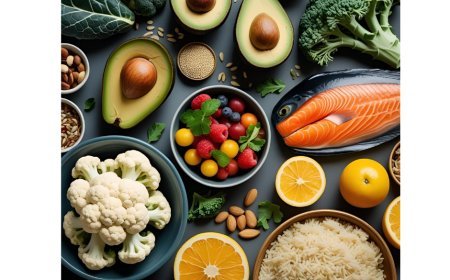
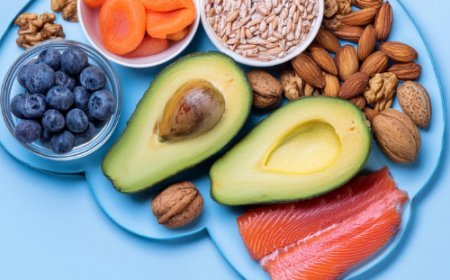
This shift has dire consequences for nutrient intake. Vitamins like A, C, D, and E are crucial for immune function, bone health, vision, and antioxidant protection, yet the SAD often lacks the fresh produce, nuts, seeds, and fatty fish that supply them. Instead, it overloads on empty calories, leading to "hidden hunger"—where people consume enough energy but not enough micronutrients.
Peer-reviewed studies highlight this crisis. For instance, a comprehensive analysis of national health data revealed alarmingly high rates of inadequacy: 45% of U.S. adults fall short on vitamin A, 46% on vitamin C, 95% on vitamin D, and 84% on vitamin E when relying solely on food sources. Even with supplements, deficiencies persist for many, underscoring the diet's inherent flaws.
Another landmark study traces these issues back to evolutionary mismatches. The Western diet (a close cousin to the SAD) deviates from ancestral eating patterns by reducing micronutrient density, altering fatty acid balances, and lowering fiber content—factors linked to chronic diseases and nutrient gaps in vitamins B6, A, magnesium, calcium, and zinc for at least half the population.
Historical trends further illustrate the problem. Since the 1800s, the American diet has seen a surge in refined sugars, flours, vegetable oils, and processed items, correlating with rising non-communicable diseases. While not directly pinpointing deficiencies, this evolution highlights how processed foods crowd out nutrient-dense options, potentially exacerbating shortfalls in essential vitamins.
Here are the details of these key peer-reviewed articles referenced:
- Title: Inadequacy of Immune Health Nutrients: Intakes in US Adults, the 2005–2016 NHANES
Authors: Carroll A. Reider, Ray-Yuan Chung, Prasad P. Devarshi, Ryan W. Grant, Susan Hazels Mitmesser
Journal Name: Nutrients
Publication Date: June 10, 2020 - Title: Origins and evolution of the Western diet: health implications for the 21st century
Authors: Loren Cordain, S. Boyd Eaton, Anthony Sebastian, Neil Mann, Staffan Lindeberg, Bruce A. Watkins, James H. O'Keefe, Janette Brand-Miller
Journal Name: The American Journal of Clinical Nutrition
Publication Date: February 2005 - Title: United States Dietary Trends Since 1800: Lack of Association Between Saturated Fatty Acid Consumption and Non-communicable Diseases
Authors: Joyce H. Lee, Miranda Duster, Timothy Roberts, Orrin Devinsky
Journal Name: Frontiers in Nutrition
Publication Date: January 13, 2022
These studies collectively paint a picture of a diet that's convenient but costly, with vitamin deficiencies contributing to weakened immunity, fatigue, poor skin health, and increased disease risk over time.
Transitioning Away from Processed Foods: A Family-Friendly, Step-by-Step Guide
The good news? You don't have to overhaul your kitchen overnight. Abrupt changes often lead to burnout, so focus on gradual shifts that build sustainable habits. Start small, involve the whole family in decisions, and celebrate progress. Aim to replace processed items with whole-food alternatives, emphasizing variety to naturally boost vitamin intake—from leafy greens for vitamin A to sunlight and fortified foods for vitamin D.
Here's a phased approach, designed for families to implement one step every 1-2 weeks:
- Assess and Awareness (Week 1-2): Begin by taking stock. Spend a week tracking what your family eats via a simple app or journal. Identify processed culprits like cereals, chips, and frozen dinners. Discuss as a family: Why do we choose these? This builds buy-in without immediate changes. Replace one easy item, like swapping sugary breakfast cereal for oatmeal topped with fresh fruit, to introduce more vitamin C and fiber gently.
- Tackle Beverages (Week 3-4): Drinks are often hidden sources of processed sugars. Start by diluting sodas or juices with water, then transition to infused water (lemon or berries for flavor and vitamin C). Limit to one sugary drink per day per person, replacing the rest with herbal teas or milk. For kids, make it fun with "flavor experiments" to avoid resistance.
- Snack Smart (Week 5-6): Processed snacks like cookies and crackers are vitamin voids. Swap them out one at a time—try apple slices with nut butter instead of chips (boosting vitamin E and healthy fats). Prepare homemade trail mix with nuts, seeds, and dried fruit. Involve children in prepping veggie sticks with hummus to encourage vitamin A-rich choices like carrots.
- Meal Makeovers (Week 7-8): Focus on dinners first. Replace frozen pizzas with homemade versions using whole-wheat dough, fresh veggies, and cheese—adding vitamins A and C from tomatoes and peppers. Gradually introduce one new whole food per meal, like adding spinach to pasta sauce. Use batch cooking on weekends to make nutrient-dense soups or stir-fries that freeze well.
- Grocery and Label Habits (Ongoing): Shift shopping habits by sticking to the store's perimeter (produce, meats, dairy) and reading labels—aim to avoid items with more than five ingredients or added sugars. Set a family rule: For every processed item in the cart, add two whole foods. Over time, this reduces reliance on convenience items while increasing intake of deficiency-prone vitamins like D (from eggs or fortified yogurt).
By progressing slowly, families can reduce processed food intake by 50% or more within a couple of months, leading to better energy, fewer deficiencies, and long-term health gains. Consult a doctor or nutritionist if deficiencies are suspected, as supplements may help bridge gaps during transition.
The SAD doesn't have to be your family's story. With informed choices and patient steps, you can reclaim nutrition and vitality—one bite at a time.
What's Your Reaction?
 Like
0
Like
0
 Dislike
0
Dislike
0
 Love
0
Love
0
 Funny
0
Funny
0
 Angry
0
Angry
0
 Sad
0
Sad
0
 Wow
0
Wow
0