
































Gut Goals: Nurturing Your Microbiome with Whole Foods in 2025
Gut health is a top 2025 trend, with social media promoting prebiotic and probiotic foods for digestion and immunity. This article, backed by peer-reviewed research and expert insights, guides readers on incorporating whole foods, debunking supplement myths, diversifying diets, and practicing mindful eating to support a healthy microbiome.
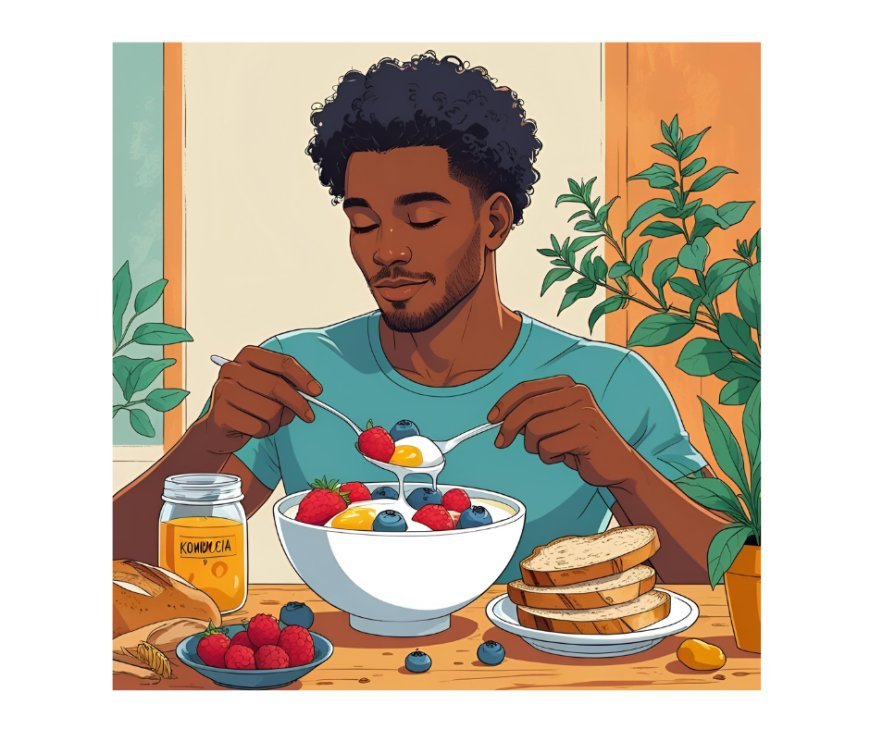
In 2025, gut health is a social media sensation, with #GutHealth and #ProbioticPower trending on TikTok and Instagram as users share recipes for kimchi bowls and kefir smoothies. With 22% of global food and drink launches featuring digestive and immune health claims, the focus on nurturing the microbiome—trillions of gut bacteria that influence digestion, immunity, and mental health—is stronger than ever. This article, supported by peer-reviewed research and expert insights, guides readers on supporting gut health through whole foods, debunking supplement myths, and adopting sustainable dietary habits.
Why Gut Health Matters
The gut microbiome regulates digestion, immunity, and even mood via the gut-brain axis. Diets rich in prebiotics (fiber that feeds good bacteria) and probiotics (live beneficial bacteria) enhance microbiome diversity, while processed foods harm it. Social media amplifies interest in gut-friendly foods, but experts like Monica Bearden emphasize whole foods over supplements for lasting benefits.
“Your gut is your second brain—nourish it with real foods,” says Nichola Ludlam-Raine, dietitian. “Whole foods are the gold standard for microbiome health.”
Step 1: Incorporate Prebiotic-Rich Whole Foods
Prebiotics, found in fiber-rich foods like onions, garlic, and bananas, feed beneficial gut bacteria, promoting diversity and health. Social media’s #GutGoals trend showcases recipes like asparagus stir-fries, highlighting prebiotics’ accessibility.
-
Action: Add one prebiotic food daily, such as a banana in your smoothie or roasted garlic in a salad. Aim for 25–30g of fiber daily, including prebiotic sources like oats or chickpeas.
-
Why It Helps: A 2024 study in Gut Microbes found that prebiotic-rich diets increase microbiome diversity by 15%, improving digestion and immunity.
Expert Quote: “Prebiotics are like fertilizer for your gut’s good bacteria,” says Monica Bearden, nutrition expert.
Step 2: Embrace Probiotic Foods
Probiotic foods like yogurt, kefir, and sauerkraut introduce live bacteria to the gut, supporting digestion and mental health. Instagram’s #ProbioticRecipes feature homemade kombucha and kimchi, reflecting a shift toward natural sources over supplements.
-
Action: Include one probiotic food daily, like a serving of plain Greek yogurt with berries or a side of sauerkraut. Choose unsweetened, natural options to avoid added sugars that harm gut health.
-
Why It Helps: Research in The Lancet Gastroenterology & Hepatology (2023) shows that probiotic foods improve gut barrier function and reduce inflammation by 10%.
Expert Quote: “Probiotic foods are nature’s way of boosting your gut health,” says Dr. Rangan Chatterjee, wellness influencer.
Step 3: Debunk Supplement Myths
While green powders and probiotic pills are popular on social media, experts caution that whole foods are more effective and cost-efficient. Only 2.1% of TikTok’s nutrition content is accurate, per a 2024 MyFitnessPal study, and supplements often lack rigorous evidence.
-
Action: Prioritize whole foods over supplements. If considering probiotics, consult a dietitian to choose evidence-based strains, like Lactobacillus, and avoid trendy powders without FDA approval.
-
Why It Helps: A 2024 study in Nutrients found that whole-food probiotics improve gut health more effectively than supplements, with fewer risks of contamination or inefficacy.
Expert Quote: “Supplements can’t replace the synergy of whole foods,” says Nichola Ludlam-Raine.
Step 4: Diversify Your Diet
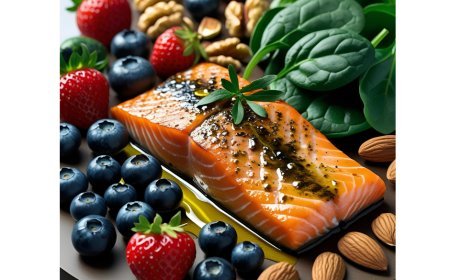
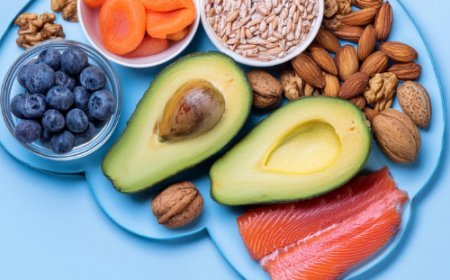
A diverse diet, rich in colorful plants, supports a varied microbiome, enhancing resilience. Social media’s #RainbowDiet trend encourages eating a variety of fruits and vegetables to maximize gut benefits.
-
Action: Aim for 30 different plant foods weekly, including berries, leafy greens, and legumes. Try a new vegetable each week, like purple carrots or okra, inspired by Instagram recipes.
-
Why It Helps: A 2023 study in Nature Reviews Microbiology shows that dietary diversity increases microbiome diversity by 20%, linked to better health outcomes.
Expert Quote: “A colorful plate is a happy gut—diversity is key,” says Rob Hobson, nutritionist.
Step 5: Practice Mindful Eating Habits
Mindful eating—chewing slowly, eating without distractions—enhances digestion and nutrient absorption, supporting gut health. X posts promote #MindfulEating, with users sharing tips for savoring meals in calm settings.
-
Action: Eat one meal daily without screens, focusing on chewing each bite 20 times. Create a calm dining environment with soft lighting or music, as seen in TikTok’s #HealthyHabits videos.
-
Why It Helps: Research in Journal of Nutrition Education and Behavior (2024) shows that mindful eating improves digestion and reduces bloating by 15%.
Expert Quote: “Mindful eating lets your gut do its best work,” says Dr. Andrew Huberman, neuroscientist.
Conclusion
Gut health is a 2025 social media star, with whole foods leading the charge for a thriving microbiome. By incorporating prebiotic and probiotic foods, debunking supplement myths, diversifying your diet, and practicing mindful eating, you can nurture your gut and overall well-being. As Monica Bearden says, “Your gut health shapes your whole health—feed it wisely.” Embrace these gut-friendly habits in 2025 for a healthier you and a vibrant microbiome.
What's Your Reaction?
 Like
0
Like
0
 Dislike
0
Dislike
0
 Love
0
Love
0
 Funny
0
Funny
0
 Angry
0
Angry
0
 Sad
0
Sad
0
 Wow
0
Wow
0