





























Protein Power: Balancing High-Protein Diets for Health in 2025
High-protein diets are trending in 2025 for muscle-building and satiety, but overconsumption risks health imbalances. This article, backed by peer-reviewed research and expert insights, guides readers on understanding protein benefits, choosing whole-food sources, balancing nutrients, timing intake, and consulting professionals for a safe, effective diet.

In 2025, high-protein diets are a dominant trend on social media, fueled by fitness influencers and health enthusiasts promoting muscle-building, satiety, and weight management. Platforms like Instagram and TikTok are flooded with #HighProtein recipes, from protein shakes to chickpea snacks, but experts warn that overconsumption risks kidney strain and nutrient imbalances. With 60% of Gen Z and Millennials prioritizing protein-rich foods, according to recent X posts, balancing these diets is key to maximizing benefits while minimizing harm. This article, supported by peer-reviewed research and expert insights, guides readers on adopting a balanced high-protein diet for optimal health.
Why High-Protein Diets Are Trending
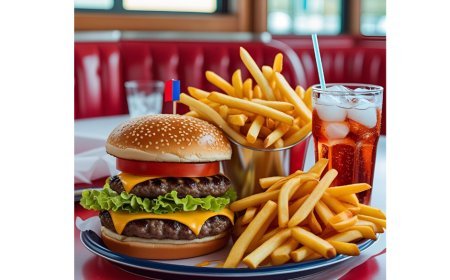
High-protein diets emphasize foods like lean meats, eggs, legumes, and dairy to support muscle growth, appetite control, and metabolic health. Social media amplifies this trend, with influencers showcasing protein bars and powders, though many are ultra-processed. While protein is essential—adults need about 0.8g per kg of body weight daily—overdoing it can strain kidneys and displace other nutrients. A balanced approach, focusing on whole-food sources, aligns with 2025’s shift toward mindful nutrition.
“Protein is a building block for health, but balance is everything,” says Rob Hobson, a registered nutritionist. “Whole foods over powders keep you nourished and grounded.”
Step 1: Understand Protein’s Benefits and Risks
Protein supports muscle repair, satiety, and metabolism, making it a favorite for fitness enthusiasts. However, excessive intake—above 2g per kg of body weight daily—can stress kidneys and lead to deficiencies in fiber or healthy fats, especially if processed products dominate.
-
Action: Calculate your protein needs (weight in kg x 0.8–1.2g, depending on activity level). For a 70kg person, that’s 56–84g daily, met by foods like two eggs (12g) or a chicken breast (30g). Track intake for a week to ensure balance with vegetables and fats.
-
Why It Helps: A 2023 study in The American Journal of Clinical Nutrition found that balanced high-protein diets improve satiety and muscle retention without adverse effects, unlike excessive intake.
Expert Quote: “Protein is powerful, but overconsumption can backfire—balance it with whole foods,” says Dr. Rangan Chatterjee, wellness influencer.
Step 2: Prioritize Whole-Food Protein Sources
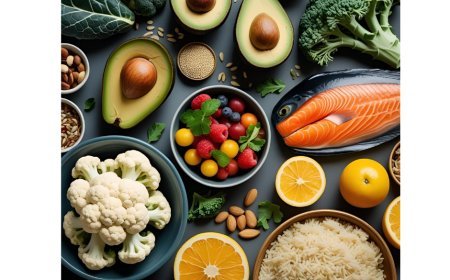
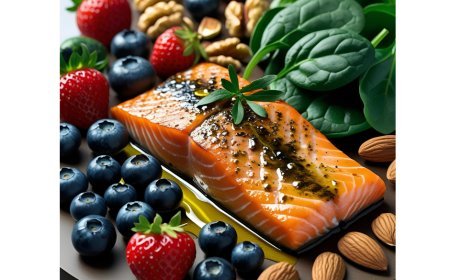
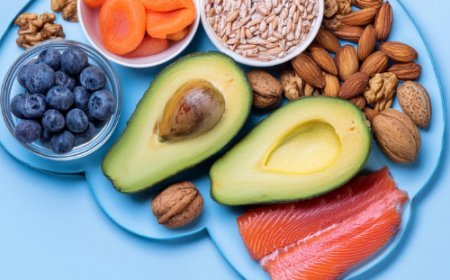
Whole foods like lentils, tofu, salmon, and Greek yogurt provide protein alongside fiber, vitamins, and minerals, unlike many processed protein bars. Social media trends like #WholeFoodProtein showcase recipes for bean salads and egg muffins, resonating with health-conscious audiences.
-
Action: Replace one processed protein item (e.g., a bar) with a whole-food alternative, like a handful of almonds (7g protein) or a chickpea salad (15g per cup). Experiment with recipes like grilled tempeh skewers or quinoa bowls shared on TikTok.
-
Why It Helps: Research in Nutrients (2024) shows that whole-food protein sources reduce inflammation and improve nutrient diversity compared to ultra-processed alternatives.
Expert Quote: “Whole foods give you protein plus benefits processed products can’t match,” says Nichola Ludlam-Raine, dietitian.
Step 3: Balance Protein with Other Nutrients
A high-protein diet shouldn’t crowd out carbohydrates or fats, which are vital for energy and hormone health. Social media posts often overemphasize protein, leading to imbalanced diets. Pairing protein with vegetables, whole grains, and healthy fats ensures holistic nutrition.
-
Action: Create balanced meals, like grilled chicken with roasted sweet potatoes and avocado, or lentil soup with whole-grain bread. Aim for a plate that’s 25% protein, 25% carbs, 25% vegetables, and 25% healthy fats, as seen in Instagram’s #BalancedPlate trends.
-
Why It Helps: A 2023 study in Journal of Nutrition found that balanced macronutrient diets improve metabolic health and reduce chronic disease risk by 15% compared to protein-heavy diets.
Expert Quote: “Protein is just one piece of the puzzle—pair it with plants and healthy fats,” says Dr. Andrew Huberman, neuroscientist.
Step 4: Monitor Portion Sizes and Timing
Overloading protein in one meal can overwhelm digestion, while spreading intake supports muscle repair and satiety. Social media’s #ProteinTiming trend emphasizes eating protein every 3–4 hours, especially post-workout, for optimal benefits.
-
Action: Divide daily protein across meals, e.g., 20g at breakfast (Greek yogurt with nuts), 20g at lunch (lentil salad), and 30g at dinner (salmon). Post-workout, aim for 20–30g within an hour, like a smoothie with protein powder and fruit.
-
Why It Helps: A 2024 study in Sports Medicine shows that evenly distributed protein intake enhances muscle synthesis by 20% compared to skewed consumption.
Expert Quote: “Timing protein right maximizes its benefits without excess,” says Rob Hobson.
Step 5: Consult Professionals for Personalization
High-protein diets aren’t one-size-fits-all, especially for those with kidney issues or specific health goals. Social media can amplify misinformation, with only 2.1% of TikTok nutrition content deemed accurate. Consulting a dietitian ensures safe, tailored choices.
-
Action: Before increasing protein, consult a registered dietitian via platforms like the Academy of Nutrition and Dietetics. Follow credible accounts like @NicholaLudlamRaine for evidence-based tips. Avoid viral “protein hacks” without professional guidance.
-
Why It Helps: Research in Journal of Medical Internet Research (2024) shows that professional guidance reduces dietary misinformation risks by 25%.
Expert Quote: “A dietitian can tailor your protein intake to your unique needs,” says Nichola Ludlam-Raine.
Conclusion
High-protein diets are a 2025 social media sensation, but balance is key to harnessing their benefits without risks. By understanding protein’s role, prioritizing whole foods, balancing nutrients, timing intake, and seeking professional advice, you can optimize your health. As Dr. Rangan Chatterjee says, “Protein powers your body, but wisdom powers your diet.” Embrace balanced high-protein eating in 2025 for a stronger, healthier you.
What's Your Reaction?
 Like
0
Like
0
 Dislike
0
Dislike
0
 Love
0
Love
0
 Funny
0
Funny
0
 Angry
0
Angry
0
 Sad
0
Sad
0
 Wow
0
Wow
0