


































Is Your Teen Being Bullied? How to Spot the Signs, Support Them, and Take Action
Bullying can deeply affect a teen’s mental, physical, and academic well-being, but parents can make a difference by recognizing warning signs and taking proactive steps. This article outlines how to spot bullying through symptoms like mood changes, physical injuries, or social isolation, and offers practical strategies to support teens, such as fostering open communication, building resilience, and connecting them with positive peers. It also provides a clear roadmap for addressing bullying by collaborating with schools, reporting cyberbullying, and accessing community resources. Supported by peer-reviewed research, the article empowers parents with evidence-based tools to protect their teens and create a safer environment.

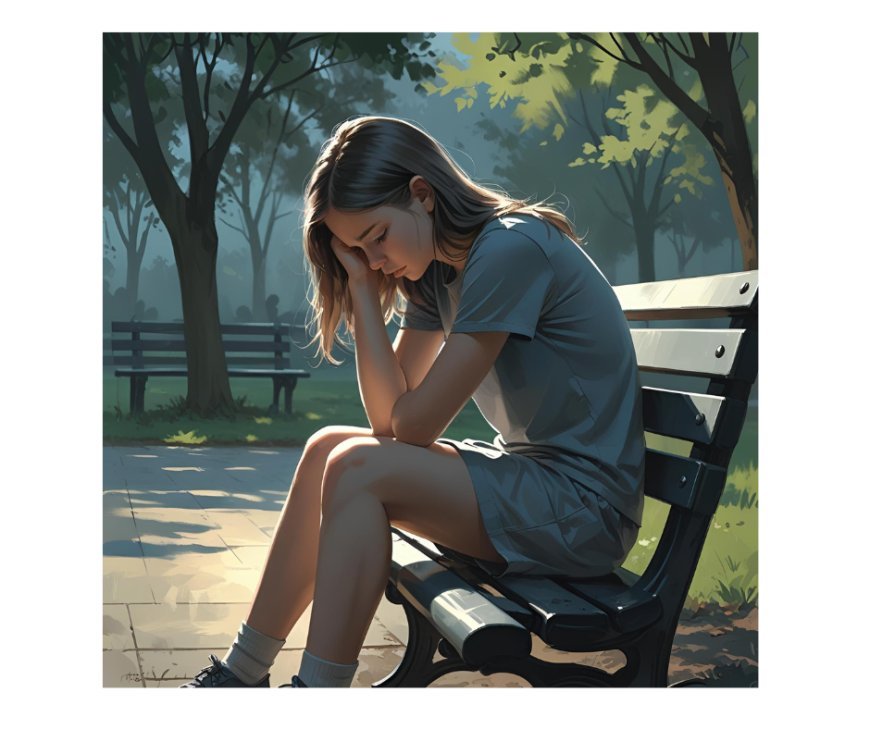
Bullying is a pervasive issue that affects teens across the globe, with significant consequences for their mental, physical, and academic well-being. For parents, recognizing when a teen is being bullied, offering meaningful support, and taking effective action are critical steps to help them navigate this challenging experience. This article outlines clear signs of bullying, provides actionable strategies for parents to support their teen, and offers guidance on addressing the issue, backed by peer-reviewed research.
Recognizing the Signs of Bullying
Teens may not always disclose that they’re being bullied due to shame, fear of retaliation, or feeling powerless. Bullying can take many forms—physical, verbal, relational (e.g., social exclusion), or cyberbullying—and its effects can manifest in subtle or overt ways. Here are key signs to watch for, informed by research and expert insights:
-
Changes in Behavior or Mood: Sudden irritability, anxiety, sadness, or withdrawal from family and friends can indicate bullying. Teens may seem more emotional or avoid activities they once enjoyed.
-
Unexplained Physical Marks: Bruises, scratches, or other injuries without a clear explanation may suggest physical bullying.
-
Social Withdrawal: Avoiding school, dropping out of extracurricular activities, or isolating from peers can signal relational or cyberbullying.
-
Declining Academic Performance: Bullying can lead to difficulty concentrating, lower grades, or reluctance to attend school.
-
Physical Complaints: Frequent headaches, stomachaches, or trouble sleeping may be stress-related responses to bullying.
-
Lost or Damaged Belongings: Missing books, clothing, or electronics, or items returning damaged, may point to bullying incidents.
-
Changes in Online Behavior: Excessive secrecy about phone or computer use, distress after being online, or sudden disengagement from social media can indicate cyberbullying.
Research Insight: A study by Moore et al. (2017) found that bullying victimization is significantly associated with mental health issues like anxiety and depression, as well as physical symptoms such as sleep problems and stomachaches, emphasizing the need for parents to notice these warning signs.
Supporting Your Teen
When you suspect your teen is being bullied, providing emotional support is the first step to helping them feel safe and empowered. Here are actionable ways to support your teen, grounded in evidence-based practices:
-
Listen Without Judgment
Create a safe space for your teen to share by asking open-ended questions like, “How’s school going?” or “I’ve noticed you seem stressed—what’s been happening?” Avoid pushing for details or blaming them. Validate their feelings with phrases like, “That sounds really tough, and I’m here for you.”
Tip: Set aside uninterrupted time, such as during a walk or drive, to encourage conversation. -
Affirm Their Worth
Bullying can erode self-esteem, so reinforce your teen’s value. Highlight their strengths, like, “I love how creative you are with your art,” and remind them that bullying reflects the bully’s behavior, not their worth.
Tip: Encourage small acts of self-care, like journaling or engaging in a favorite hobby, to boost confidence. -
Teach Coping Strategies
Help your teen develop skills to manage bullying, such as assertive responses (e.g., calmly saying, “Stop talking to me like that”) or seeking help from a trusted adult. For cyberbullying, guide them to block harassers and save evidence like screenshots.
Tip: Role-play scenarios to practice responses, making it feel less intimidating. -
Encourage Positive Connections
Support your teen in building relationships with supportive peers through clubs, sports, or youth groups. Positive friendships can buffer the impact of bullying.
Tip: Help them identify one or two trusted friends to confide in, fostering a sense of belonging. -
Monitor Mental Health
Bullying increases risks for depression, anxiety, and suicidal ideation. If your teen shows persistent sadness, withdrawal, or talks about self-harm, seek professional help from a counselor or therapist.
Tip: Use resources like school counselors or organizations such as the National Alliance on Mental Illness (NAMI) for referrals.
Research Insight: Bowes et al. (2010) found that supportive family environments, particularly maternal warmth, significantly reduce emotional and behavioral problems in bullied teens, underscoring the importance of parental support.
Taking Action to Address Bullying
Once you’ve identified bullying and begun supporting your teen, taking action to stop the behavior is essential. Here are practical steps to address bullying effectively:
-
Document Incidents
Keep a record of bullying incidents, including dates, descriptions, and any evidence (e.g., texts, emails, or photos). For cyberbullying, save screenshots or messages. This documentation strengthens your case when reporting to authorities.
Tip: Create a shared document with your teen to track incidents, ensuring they feel involved. -
Engage the School
Contact your teen’s teacher, counselor, or principal to report the bullying. Share your documentation and ask about the school’s anti-bullying policy and specific actions they’ll take. Follow up in writing to ensure accountability.
Tip: Request a meeting with school staff and bring a list of questions, like, “What steps will be taken to ensure my teen’s safety?” -
Advocate for School-Wide Interventions
Encourage the school to implement evidence-based anti-bullying programs, such as the Olweus Bullying Prevention Program, which reduces bullying through school-wide rules and bystander engagement.
Tip: Join the parent-teacher association to push for bullying prevention workshops or training. -
Address Cyberbullying
For online bullying, report abusive content to the platform (e.g., Instagram, TikTok) using their reporting tools. If threats are involved, contact local law enforcement. Teach your teen to adjust privacy settings and avoid engaging with harassers.
Tip: Visit StopBullying.gov for guides on reporting cyberbullying to specific platforms. -
Seek Legal or Community Support
If the school doesn’t act or the bullying escalates, consider contacting the school district’s superintendent or a local advocacy group. In severe cases, consult a lawyer to explore options like restraining orders, especially if physical harm is involved.
Tip: Connect with organizations like PACER’s National Bullying Prevention Center for free resources and guidance. -
Follow Up with Your Teen
Regularly check in with your teen to see if the bullying has stopped and how they’re feeling. Adjust support strategies as needed, such as involving a therapist if emotional distress persists.
Tip: Schedule weekly chats to discuss progress, keeping the tone supportive and open.
Research Insight: Gaffney et al. (2019) found that school-based anti-bullying programs are effective in reducing bullying perpetration and victimization, particularly when they involve clear policies, teacher training, and peer support, highlighting the importance of school collaboration.
Peer-Reviewed Research Supporting Strategies
The following studies provide evidence for the signs, consequences, and interventions for teen bullying:
-
Title: Health and Psychosocial Consequences of Bullying: A Systematic Review and Meta-Analysis
Authors: Moore, S. E., Norman, R. E., Suetani, S., Thomas, H. J., Sly, P. D., & Scott, J. G.
Journal: World Journal of Psychiatry (2017)
Key Finding: Bullying victimization is linked to mental health disorders (e.g., anxiety, depression), physical health issues (e.g., sleep problems), and substance use, emphasizing the need for early identification of symptoms like mood changes and physical complaints. -
Title: Protective Factors Against the Impact of School Bullying Victimisation: The Role of Family Support
Authors: Bowes, L., Maughan, B., Caspi, A., Moffitt, T. E., & Arseneault, L.
Journal: Journal of Child Psychology and Psychiatry (2010)
Key Finding: Family support, especially maternal warmth and a positive home environment, significantly mitigates the emotional and behavioral impacts of bullying, supporting the strategy of listening and affirming teens. -
Title: Effectiveness of School-Based Programs to Reduce Bullying Perpetration and Victimization: An Updated Systematic Review and Meta-Analysis
Authors: Gaffney, H., Ttofi, M. M., & Farrington, D. P.
Journal: Campbell Systematic Reviews (2019)
Key Finding: School-based anti-bullying programs, particularly those with clear policies and peer involvement, reduce bullying by approximately 20%, reinforcing the need to engage schools in addressing bullying.
Conclusion
Identifying and addressing teen bullying requires vigilance, empathy, and proactive steps from parents. By recognizing signs like behavioral changes, physical marks, or social withdrawal, parents can intervene early. Supporting teens through listening, affirming their worth, and teaching coping skills builds resilience, while documenting incidents and collaborating with schools or authorities stops the behavior. Backed by research, these strategies empower parents to protect their teen’s well-being and foster a safer environment. Start today by having an open conversation with your teen—ask how they’re feeling and let them know you’re on their side.
For additional resources, visit StopBullying.gov or PACER.org. If you’ve supported a teen through bullying, what strategies worked for you? Share your insights below!
What's Your Reaction?
 Like
0
Like
0
 Dislike
0
Dislike
0
 Love
0
Love
0
 Funny
0
Funny
0
 Angry
0
Angry
0
 Sad
0
Sad
0
 Wow
0
Wow
0