





















Women and Anxiety: Understanding Higher Rates, Causes, and Actionable Solutions
This article examines why women experience anxiety disorders at nearly twice the rate of men (23.4% vs. 14.3% lifetime prevalence), driven by hormonal fluctuations, brain chemistry differences, and psychological stressors like caregiving and societal expectations. It provides actionable steps for women to manage anxiety, including mindfulness, exercise, and building support networks. Dietary changes, such as increasing antioxidants, magnesium, and omega-3s, are recommended, along with medical tests (e.g., thyroid, vitamin D, hormone panels) to identify underlying causes. Herbs and supplements like passionflower and magnesium may help, but consultation with a doctor is advised. The article is supported by three peer-reviewed studies highlighting gender differences, hormonal impacts, and neurological factors in anxiety.
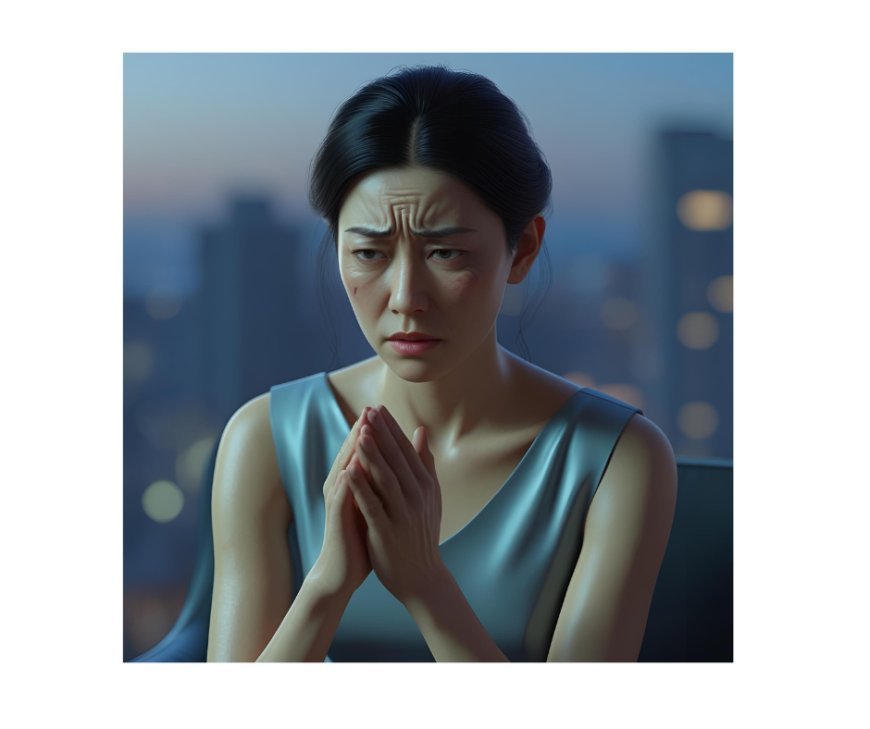
Anxiety disorders are among the most common mental health conditions worldwide, and women are disproportionately affected, experiencing higher rates than men. This disparity has significant implications for women’s well-being, impacting their work, relationships, and quality of life. This revised article explores why women face elevated anxiety rates, the underlying causes, and practical, evidence-based steps they can take to manage anxiety, with references to gender discrimination removed. We’ll cover lifestyle changes, dietary adjustments, medical tests to request, and herbs or supplements that may help, supported by peer-reviewed research.
Higher Anxiety Rates in Women: The Data
Women are nearly twice as likely as men to experience anxiety disorders. According to the National Institute of Mental Health (NIMH), approximately 23.4% of women in the U.S. will experience an anxiety disorder in their lifetime, compared to 14.3% of men. Generalized anxiety disorder (GAD), panic disorder, and specific phobias are particularly prevalent among women, with GAD affecting women at a rate of 4% compared to 2% for men. These disorders often manifest as excessive worry, fear, or physical symptoms like rapid heartbeat and insomnia, significantly disrupting daily life.
Research Insight: A systematic review by McLean et al. (2011) found that women have consistently higher lifetime prevalence rates of anxiety disorders, except for social anxiety disorder, which occurs at similar rates across genders. Women also face a higher burden of illness, with increased comorbidity (e.g., depression) and more frequent healthcare visits.
Why Are Women More Impacted?
Several factors contribute to women’s higher anxiety rates, spanning biological and psychological domains. Understanding these can help women and their healthcare providers address anxiety more effectively:
-
Hormonal Fluctuations: Estrogen and progesterone fluctuations across a woman’s life—during puberty, menstrual cycles, pregnancy, postpartum, and menopause—can influence anxiety. For example, rising estrogen during pregnancy may increase the risk of obsessive-compulsive disorder (OCD), while declining levels post-menopause can heighten anxiety symptoms.
Research Insight: Stanikova et al. (2019) found that estradiol levels can have dose-dependent effects on anxiety, acting as anxiogenic (anxiety-inducing) at high levels and anxiolytic (anxiety-reducing) at others, particularly during reproductive transitions. -
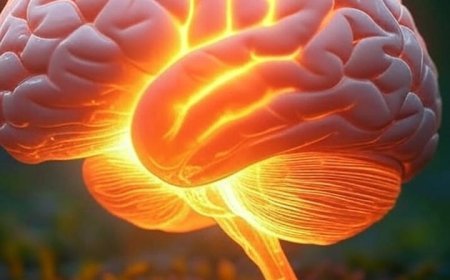
Brain Chemistry and Structure: The amygdala, a brain region involved in fear and anxiety, shows increased activity in response to anxiety cues in women with anxiety disorders. Imbalances in neurotransmitters like serotonin and gamma-aminobutyric acid (GABA) also play a role, with women potentially more sensitive to these disruptions.
Research Insight: Al-Rahbi et al. (2023) noted that dysregulated GABA in the amygdala is linked to GAD, with women showing heightened noradrenergic activity, contributing to anxiety symptoms. -
Psychological and Environmental Stressors: Women often juggle multiple responsibilities, such as caregiving or work-life balance, which can heighten stress and anxiety. Societal expectations around appearance or performance may also contribute, particularly in cultures with high social pressures.
Research Insight: McLean et al. (2011) highlighted that women’s increased exposure to stressors, combined with lower social support in some contexts, contributes to the gender disparity in anxiety prevalence. -
Comorbidity and Health Burden: Women with anxiety are more likely to develop additional conditions like depression or eating disorders, amplifying their distress. They also miss more workdays due to anxiety (2.25 days/month vs. 1.27 for women without anxiety), adding economic and psychological strain.
Actionable Steps to Reduce Anxiety
Women can take proactive steps to manage anxiety through lifestyle changes, medical evaluations, and natural remedies. Below are evidence-based strategies, including dietary adjustments, tests to request from a doctor, and herbs or supplements that may help. Always consult a healthcare provider before starting new treatments, especially supplements or dietary changes.
1. Lifestyle and Behavioral Strategies
-
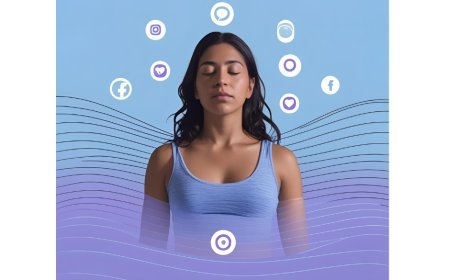
Practice Mindfulness and Meditation: Regular mindfulness meditation, even 10 minutes daily, can reduce anxiety by calming the nervous system. Cognitive-behavioral therapy (CBT) techniques, such as challenging negative thoughts, are also highly effective.
Tip: Try apps like Headspace or access free CBT self-help resources from Every Mind Matters (NHS).
Research Support: A meta-analysis by Khoury et al. (2013) found mindfulness-based therapy significantly reduces anxiety symptoms, with lasting effects. -
Engage in Regular Physical Activity: Exercise, such as yoga or aerobic workouts, boosts mood and reduces anxiety by increasing GABA and serotonin levels. Aim for 30 minutes, 5 days a week.
Tip: Join a local yoga class or follow online videos for Hatha yoga, which has shown specific benefits for anxiety.
Research Support: Streeter et al. (2010) demonstrated that yoga increases GABA levels and reduces anxiety more effectively than walking. -
Build a Support Network: Connect with trusted friends, family, or support groups to share experiences and reduce isolation. Peer-to-peer communities, like those offered by the Anxiety and Depression Association of America (ADAA), provide safe spaces.
Tip: Schedule regular coffee dates or join online forums for women with anxiety.
2. Dietary Changes
Diet plays a significant role in mental health, with certain nutrients linked to reduced anxiety. Incorporate these dietary adjustments:
-
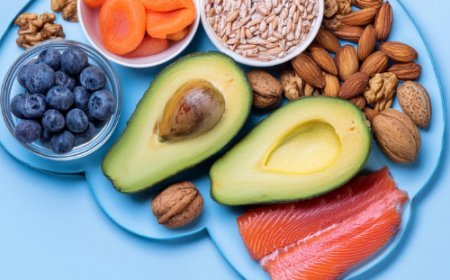
Increase Antioxidant-Rich Foods: Anxiety is associated with a lowered antioxidant state. Foods high in antioxidants, like berries, dark chocolate, and turmeric (containing curcumin), may ease symptoms.
Tip: Add a turmeric smoothie (with black pepper to enhance absorption) or snack on blueberries daily. -
Boost Magnesium and Zinc Intake: Magnesium (found in spinach, almonds, and pumpkin seeds) and zinc (in oysters, beef, and cashews) are linked to lower anxiety. Low magnesium diets in mice increased anxiety-related behaviors.
Tip: Include a handful of nuts or a spinach salad in your meals. -
Eat Omega-3 Fatty Acids: Omega-3s, found in fatty fish like salmon, may reduce anxiety. A 2011 study showed omega-3 supplements lowered anxiety in medical students.
Tip: Aim for two servings of wild salmon weekly or discuss omega-3 supplements with your doctor. -
Choose Complex Carbohydrates: Whole grains, vegetables, and fruits stabilize blood sugar, promoting a calmer state compared to simple carbs in processed foods.
Tip: Swap white bread for quinoa or brown rice at dinner. -
Limit Caffeine and Alcohol: Caffeine (in coffee, tea, or energy drinks) and alcohol can disrupt sleep and worsen anxiety.
Tip: Switch to herbal teas like chamomile and limit alcohol to one drink per day or less.
Research Support: A 2010 review cited by Harvard Health found that antioxidant-rich foods and magnesium may alleviate anxiety symptoms, while a 2011 study in Psychiatry Research linked omega-3s to reduced anxiety.
3. Medical Tests to Request
If anxiety persists, underlying medical issues may contribute. Ask your doctor for these tests to rule out or address potential causes:
-
Thyroid Function Panel: Hypothyroidism or hyperthyroidism can mimic or worsen anxiety. Request a comprehensive panel measuring TSH, free T3, free T4, and thyroid antibodies.
Why: Precision Point Diagnostics’ Comprehensive Thyroid Panel, as noted by Rupa Health, provides a full picture of thyroid function, which can affect mood. -
Vitamin D Levels: Low vitamin D is linked to anxiety and depression. Request a 25-hydroxy vitamin D test. Optimal levels are 30–50 ng/mL.
Why: Mixed research suggests vitamin D supplementation may help if deficient, though benefits for non-deficient individuals are unclear. -
Magnesium and Zinc Levels: Low levels of these minerals are associated with anxiety. Request a serum magnesium test and a plasma zinc test.
Why: A 2021 study in Stress and Health found magnesium supplementation beneficial for those with low levels and high stress. -
Hormone Panel: If anxiety spikes around menstrual cycles, pregnancy, or menopause, request tests for estradiol, progesterone, and cortisol to assess hormonal imbalances.
Why: Stanikova et al. (2019) linked estrogen fluctuations to anxiety, particularly during reproductive transitions.
Tip: Keep a mood journal to track anxiety symptoms and share patterns (e.g., worsening before menstruation) with your doctor to guide testing.
4. Herbs and Supplements
Some herbs and supplements show promise for anxiety relief, but evidence varies, and safety is critical. Consult a doctor before use, especially if taking medications, as interactions can occur. Consider these options:
-
Passionflower: This herb has anxiolytic properties, with studies showing it reduces anxiety symptoms without severe side effects.
Dose: 250–500 mg daily as a capsule or 1 cup of passionflower tea.
Caution: May cause drowsiness; avoid with sedatives. -
Magnesium: Magnesium supplements (e.g., magnesium citrate or glycinate) may calm the nervous system. A 2021 randomized controlled trial found benefits for stress and low magnesium levels.
Dose: 200–400 mg daily, preferably with food.
Caution: High doses can cause diarrhea; start low. -
Omega-3 Fatty Acids: Fish oil supplements with EPA and DHA may reduce anxiety, as shown in a 2011 study.
Dose: 500–2000 mg daily, as prescribed.
Caution: May interact with blood thinners; consult a doctor. -
Valerian Root: Used for centuries, valerian may reduce anxiety and improve sleep. A 2017 study found it lowered anxiety in postmenopausal women.
Dose: 300–600 mg 30 minutes before bed for short-term use.
Caution: Not proven safe for long-term use; may cause dizziness.
Research Support: Lakhan and Vieira (2010) found strong evidence for passionflower and moderate evidence for magnesium in treating anxiety, while kava was flagged for liver risks and St. John’s Wort lacked sufficient anxiolytic evidence.
Warnings: Avoid kava due to severe liver disease risks, as noted by the National Center for Complementary and Integrative Health (NCCIH). St. John’s Wort can interact with antidepressants and is not recommended for anxiety alone. Always choose supplements with third-party certifications (e.g., USP) for quality.
Peer-Reviewed Research Supporting Strategies
The following studies provide evidence for the causes and management of anxiety in women:
-
Title: Gender Differences in Anxiety Disorders: Prevalence, Course of Illness, Comorbidity and Burden of Illness
Authors: McLean, C. P., Asnaani, A., Litz, B. T., & Hofmann, S. G.
Journal: Journal of Psychiatric Research (2011)
Key Finding: Women have higher lifetime prevalence rates of anxiety disorders (except social anxiety), with greater comorbidity (e.g., depression) and work absenteeism, highlighting the need for targeted interventions. -
Title: Associations Between Anxiety, Body Mass Index, and Sex Hormones in Women
Authors: Stanikova, D., Luck, T., Pabst, A., Bae, Y. J., Hinz, A., Glaesmer, H., Stanik, J., Sacher, J., Engel, C., Enzenbach, C., Wirkner, K., Thiery, J., Kratzsch, J., Ceglarek, U., & Riedel-Heller, S. G.
Journal: Frontiers in Psychiatry (2019)
Key Finding: Estradiol fluctuations influence anxiety, with dose-dependent effects during reproductive events like menarche or menopause, explaining women’s higher vulnerability. -
Title: A Comprehensive Review of the Generalized Anxiety Disorder
Authors: Al-Rahbi, B., Al-Shezawi, M., Al-Masruri, S., Al-Hinai, Y., Al-Balushi, N., Al-Shezawi, A., & Al-Shukaili, M.
Journal: Cureus (2023)
Key Finding: Dysregulated GABA and heightened noradrenergic activity in the amygdala contribute to GAD, with women showing increased physiological responses, supporting the use of GABA-enhancing strategies like yoga.
Conclusion
Women face higher rates of anxiety due to hormonal, neurological, and psychological factors, as evidenced by research showing nearly double the prevalence compared to men. By adopting actionable steps—practicing mindfulness, exercising, eating antioxidant-rich foods, requesting tests like thyroid or hormone panels, and cautiously using supplements like passionflower or magnesium—women can reduce anxiety and improve their quality of life. These strategies, grounded in peer-reviewed studies, empower women to take control of their mental health. Start small: try a 10-minute meditation today or add spinach to your lunch. If anxiety persists, consult a healthcare provider to tailor a plan that works for you.
For more resources, visit ADAA.org or NIMH.nih.gov. Have you found a strategy that helps manage anxiety? Share your tips below!
Disclaimer: The information provided in this article is for educational and informational purposes only and does not constitute medical advice. We are not doctors or licensed healthcare professionals. Always consult a qualified physician or healthcare provider before making any changes to your health regimen, including lifestyle, diet, supplements, or medical treatments. Individual health needs vary, and professional guidance is essential to ensure safety and effectiveness.
What's Your Reaction?
 Like
0
Like
0
 Dislike
0
Dislike
0
 Love
0
Love
0
 Funny
0
Funny
0
 Angry
0
Angry
0
 Sad
0
Sad
0
 Wow
0
Wow
0