





























How Anxiety Impacts Romantic Relationships and How Couples Can Support Each Other
Anxiety can profoundly affect romantic relationships, influencing how partners connect, communicate, and support each other. When one partner experiences high anxiety, it can create challenges that ripple through the partnership, testing emotional resilience and mutual understanding. However, with empathy, open communication, and practical strategies, couples can navigate these challenges and foster a stronger bond. This article explores how anxiety impacts romantic relationships, supported by peer-reviewed research, and offers actionable steps for couples to support a partner with high anxiety. How Anxiety Affects Romantic Relationships Anxiety disorders, among the most prevalent mental health conditions globally, can create unique challenges in romantic partnerships. Below, we delve into the specific ways anxiety impacts relationships, with expanded insights into each dynamic, backed by scientific evidence. Communication Challenges Anxiety often hinders a partner’s ability to express thoughts and emotions clearly, as worry or fear of judgment can lead to avoidance or miscommunication. For example, an anxious partner might struggle to articulate their needs during a disagreement, leading to silence or defensiveness, which can frustrate the non-anxious partner. This dynamic may create a cycle of misunderstandings, where one partner feels ignored and the other feels overwhelmed. Over time, unaddressed communication barriers can erode trust and emotional closeness, leaving both partners feeling disconnected. Additionally, anxiety can cause overthinking, where the anxious partner misinterprets neutral comments as criticism, further complicating conversations. Example Scenario: An anxious partner might avoid discussing a stressful day at work, fearing their partner will see them as “weak,” leading to emotional distance. Relevant Study: "Anxiety Disorders and Marital Quality: A Meta-Analysis" in Journal of Anxiety Disorders by Whisman, M. A., et al. (2014). This meta-analysis found that anxiety disorders significantly reduce marital satisfaction due to impaired communication and emotional regulation, with couples reporting higher conflict and lower cohesion. Emotional Overload and Reactivity High anxiety often amplifies emotional responses, causing the anxious partner to react intensely to minor triggers or perceive threats where none exist. For instance, a casual comment about being late might be interpreted as a personal attack, leading to disproportionate anger or withdrawal. This reactivity can leave the non-anxious partner feeling like they’re “walking on eggshells,” unsure how to approach their partner without triggering an emotional spiral. Over time, this dynamic can create tension, as the non-anxious partner may feel burdened by the need to constantly manage their partner’s emotions. Anxiety-driven hypervigilance also means the anxious partner may misread facial expressions or tone, assuming rejection or disapproval, which further strains interactions. Example Scenario: During a discussion about weekend plans, an anxious partner might snap or shut down if they perceive their partner’s suggestion as dismissive, leading to an argument. Relevant Study: "The Impact of Anxiety on Social Interactions" in Clinical Psychology Review by Alden, L. E., & Taylor, C. T. (2010). This review highlights how anxiety leads to hypervigilance and misinterpretation of social cues, increasing conflict and reducing relationship satisfaction. Reduced Intimacy Anxiety can dampen both emotional and physical intimacy by diverting the anxious partner’s focus to their worries or physical symptoms, such as racing thoughts or fatigue. This preoccupation can lower libido, reduce affectionate gestures, or make it hard to be fully present during intimate moments. The non-anxious partner may feel rejected or unloved, interpreting the lack of intimacy as a personal failing, which can breed resentment or insecurity. For example, an anxious partner might avoid physical closeness due to self-consciousness or fear of vulnerability, leaving their partner feeling disconnected. This cycle can weaken the emotional bond, as intimacy is a cornerstone of romantic connection. Example Scenario: An anxious partner might decline physical affection, citing stress, causing their partner to feel unwanted and question the relationship’s strength. Relevant Study: "Sexual Dysfunction and Anxiety Disorders" in Journal of Sexual Medicine by Zemishlany, Z., & Weizman, A. (2008). This study links anxiety disorders to reduced sexual satisfaction and intimacy, noting that anxiety-related stress hormones disrupt physical and emotional closeness. Caregiver Fatigue When one partner has high anxiety, the other may naturally take on a supportive or caregiving role, offering reassurance or helping manage triggers. While well-intentioned, this dynamic can become exhausting if the non-anxious partner feels solely responsible for their partner’s emotional well-being. Over time, this can lead to caregiver fatigue, where the non-anxious partner experiences burnout, irritability, or resentment. The anxious partner may also feel guilty or dependent, which can exacerbate their anxiety and create an unhealthy power imbalance. Without clear boundaries, the relationship may shift from a partnership to a one-sided support system, straining both partners. Example Scenario: The non-anxious partner might spend hours daily calming their partner’s worries, neglecting their own needs and feeling drained over time. Relevant Study: "Caregiver Burden in Anxiety Disorders" in Psychiatric Services by Vaddadi, K. S., et al. (2002). This research underscores how supporting a partner with anxiety can lead to emotional and physical exhaustion if not balanced with self-care and mutual support. Strategies for Couples to Support a Partner with High Anxiety Couples can mitigate the impact of anxiety by working together to foster understanding, resilience, and mutual support. Below are practical, evidence-based strategies to help partners navigate anxiety as a team: Educate Yourselves About Anxiety Learning about anxiety as a condition helps both partners approach it with empathy rather than frustration. Understanding triggers, symptoms, and coping mechanisms can demystify anxiety and reduce blame. For example, knowing that anxiety is not a choice but a manageable condition can help the non-anxious partner respond with patience. Action: Read resources from trusted organizations like the Anxiety and Depression Association of America or attend a local mental health workshop together. Discuss what you’ve learned to align your perspectives. Why It Helps: Education fosters compassion and reduces conflict, as couples who understand anxiety report better relationship outcomes (Journal of Family Psychology, Baucom, D. H., et al., 2010). Practice Open Communication Create a safe space for the anxious partner to share their feelings without fear of criticism. The non-anxious partner should practice active listening, acknowledging emotions without rushing to solve the problem. Phrases like “I see how hard this is for you” validate the anxious partner’s experience. Avoid dismissive responses like “just calm down,” which can heighten anxiety. Action: Schedule weekly check-ins to discuss feelings openly. Use “I” statements, such as “I feel disconnected when we don’t talk about what’s bothering you,” to express needs without blame. Why It Helps: Open communication builds trust and reduces misinterpretations, as shown in Couple and Family Psychology (Gordon, K. C., et al., 2013). Develop Coping Strategies Together Collaborate on techniques to manage anxiety in real-time, such as deep breathing, progressive muscle relaxation, or mindfulness exercises. Practicing these together can make the anxious partner feel supported and reduce the intensity of anxious moments. Apps like Headspace or Insight Timer can guide these practices. Action: Try a 4-7-8 breathing exercise together: Inhale for 4 seconds, hold for 7, exhale for 8. Repeat for 2 minutes during high-anxiety moments. Why It Helps: Joint coping strategies strengthen partnership and reduce isolation, with research in Cognitive and Behavioral Practice (Craske, M. G., 2014) showing their effectiveness in anxiety management. Set Boundaries and Prioritize Self-Care Both partners need to maintain their mental health to sustain a balanced relationship. The non-anxious partner should set boundaries to avoid burnout, such as designating time for personal hobbies. The anxious partner can benefit from self-care practices like journaling to process worries independently. Action: Agree on personal time each week for activities like exercise, reading, or socializing with friends. The anxious partner can try journaling for 10 minutes daily to reduce rumination. Why It Helps: Boundaries prevent resentment, and self-care enhances emotional resilience, as supported by Journal of Clinical Psychology (Pennebaker, J. W., 1997). Seek Professional Support Professional help, such as cognitive-behavioral therapy (CBT) for the anxious partner or couples therapy, can provide tailored strategies to manage anxiety and strengthen the relationship. Therapists can teach skills to navigate anxiety-related conflicts effectively. Action: Research licensed therapists through platforms like Psychology Today or local mental health clinics. Discuss whether individual or couples therapy feels most appropriate. Why It Helps: CBT is highly effective for anxiety, reducing symptoms in 60–80% of cases (American Journal of Psychiatry, Hofmann, S. G., & Smits, J. A., 2008). Create a Safe Environment A calming home environment can reduce anxiety triggers. Minimize clutter, use soft lighting, or incorporate soothing elements like plants or calming scents. A predictable routine can also help the anxious partner feel secure. Action: Create a “calm corner” with a cozy chair, weighted blanket, or aromatherapy diffuser. Establish a daily routine with consistent mealtimes or relaxation periods. Why It Helps: Supportive environments lower stress responses, as environmental factors significantly influence anxiety (Environment and Behavior, Ulrich, R. S., 1991). Building a Stronger Partnership Anxiety may challenge romantic relationships, but it also offers opportunities for growth and deeper connection. By understanding anxiety’s impact, communicating openly, and supporting each other with practical strategies, couples can turn obstacles into moments of unity. With patience, empathy, and professional guidance when needed, partners can create a relationship that not only withstands anxiety but thrives in its presence.

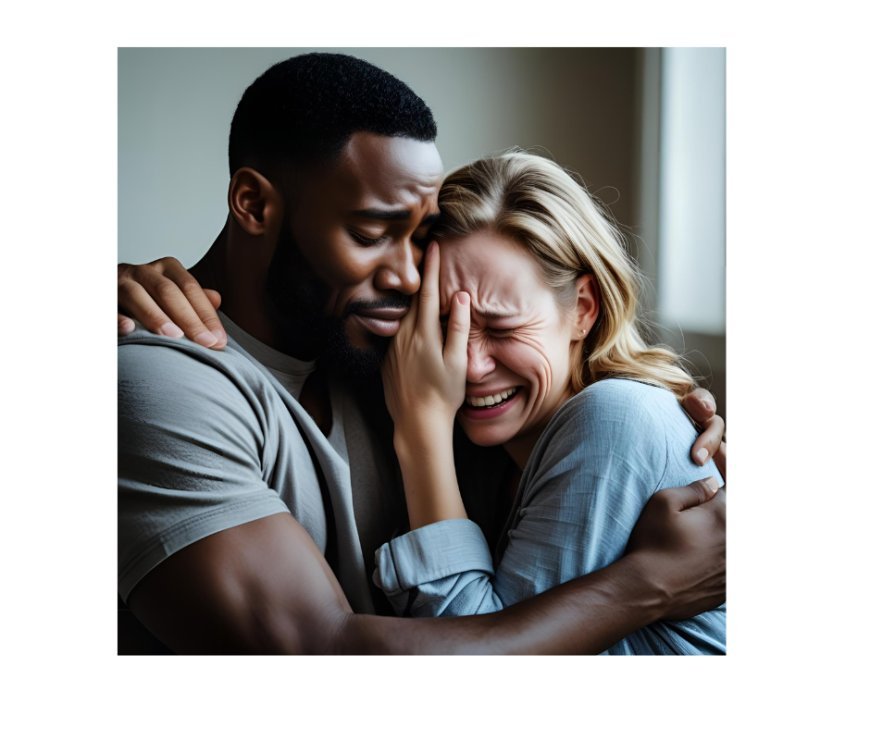
Anxiety can profoundly affect romantic relationships, influencing how partners connect, communicate, and support each other. When one partner experiences high anxiety, it can create challenges that ripple through the partnership, testing emotional resilience and mutual understanding. However, with empathy, open communication, and practical strategies, couples can navigate these challenges and foster a stronger bond. This article explores how anxiety impacts romantic relationships, supported by peer-reviewed research, and offers actionable steps for couples to support a partner with high anxiety.
How Anxiety Affects Romantic Relationships
Anxiety disorders, among the most prevalent mental health conditions globally, can create unique challenges in romantic partnerships. Below, we delve into the specific ways anxiety impacts relationships, with expanded insights into each dynamic, backed by scientific evidence.
-
Communication Challenges
Anxiety often hinders a partner’s ability to express thoughts and emotions clearly, as worry or fear of judgment can lead to avoidance or miscommunication. For example, an anxious partner might struggle to articulate their needs during a disagreement, leading to silence or defensiveness, which can frustrate the non-anxious partner. This dynamic may create a cycle of misunderstandings, where one partner feels ignored and the other feels overwhelmed. Over time, unaddressed communication barriers can erode trust and emotional closeness, leaving both partners feeling disconnected. Additionally, anxiety can cause overthinking, where the anxious partner misinterprets neutral comments as criticism, further complicating conversations.-
Example Scenario: An anxious partner might avoid discussing a stressful day at work, fearing their partner will see them as “weak,” leading to emotional distance.
-
Relevant Study: "Anxiety Disorders and Marital Quality: A Meta-Analysis" in Journal of Anxiety Disorders by Whisman, M. A., et al. (2014). This meta-analysis found that anxiety disorders significantly reduce marital satisfaction due to impaired communication and emotional regulation, with couples reporting higher conflict and lower cohesion.
-
-
Emotional Overload and Reactivity
High anxiety often amplifies emotional responses, causing the anxious partner to react intensely to minor triggers or perceive threats where none exist. For instance, a casual comment about being late might be interpreted as a personal attack, leading to disproportionate anger or withdrawal. This reactivity can leave the non-anxious partner feeling like they’re “walking on eggshells,” unsure how to approach their partner without triggering an emotional spiral. Over time, this dynamic can create tension, as the non-anxious partner may feel burdened by the need to constantly manage their partner’s emotions. Anxiety-driven hypervigilance also means the anxious partner may misread facial expressions or tone, assuming rejection or disapproval, which further strains interactions.-
Example Scenario: During a discussion about weekend plans, an anxious partner might snap or shut down if they perceive their partner’s suggestion as dismissive, leading to an argument.
-
Relevant Study: "The Impact of Anxiety on Social Interactions" in Clinical Psychology Review by Alden, L. E., & Taylor, C. T. (2010). This review highlights how anxiety leads to hypervigilance and misinterpretation of social cues, increasing conflict and reducing relationship satisfaction.
-
-
Reduced Intimacy
Anxiety can dampen both emotional and physical intimacy by diverting the anxious partner’s focus to their worries or physical symptoms, such as racing thoughts or fatigue. This preoccupation can lower libido, reduce affectionate gestures, or make it hard to be fully present during intimate moments. The non-anxious partner may feel rejected or unloved, interpreting the lack of intimacy as a personal failing, which can breed resentment or insecurity. For example, an anxious partner might avoid physical closeness due to self-consciousness or fear of vulnerability, leaving their partner feeling disconnected. This cycle can weaken the emotional bond, as intimacy is a cornerstone of romantic connection.-
Example Scenario: An anxious partner might decline physical affection, citing stress, causing their partner to feel unwanted and question the relationship’s strength.
-
Relevant Study: "Sexual Dysfunction and Anxiety Disorders" in Journal of Sexual Medicine by Zemishlany, Z., & Weizman, A. (2008). This study links anxiety disorders to reduced sexual satisfaction and intimacy, noting that anxiety-related stress hormones disrupt physical and emotional closeness.
-
-
Caregiver Fatigue
When one partner has high anxiety, the other may naturally take on a supportive or caregiving role, offering reassurance or helping manage triggers. While well-intentioned, this dynamic can become exhausting if the non-anxious partner feels solely responsible for their partner’s emotional well-being. Over time, this can lead to caregiver fatigue, where the non-anxious partner experiences burnout, irritability, or resentment. The anxious partner may also feel guilty or dependent, which can exacerbate their anxiety and create an unhealthy power imbalance. Without clear boundaries, the relationship may shift from a partnership to a one-sided support system, straining both partners.-
Example Scenario: The non-anxious partner might spend hours daily calming their partner’s worries, neglecting their own needs and feeling drained over time.
-
Relevant Study: "Caregiver Burden in Anxiety Disorders" in Psychiatric Services by Vaddadi, K. S., et al. (2002). This research underscores how supporting a partner with anxiety can lead to emotional and physical exhaustion if not balanced with self-care and mutual support.
-
Strategies for Couples to Support a Partner with High Anxiety
Couples can mitigate the impact of anxiety by working together to foster understanding, resilience, and mutual support. Below are practical, evidence-based strategies to help partners navigate anxiety as a team:
-
Educate Yourselves About Anxiety
Learning about anxiety as a condition helps both partners approach it with empathy rather than frustration. Understanding triggers, symptoms, and coping mechanisms can demystify anxiety and reduce blame. For example, knowing that anxiety is not a choice but a manageable condition can help the non-anxious partner respond with patience.-
Action: Read resources from trusted organizations like the Anxiety and Depression Association of America or attend a local mental health workshop together. Discuss what you’ve learned to align your perspectives.
-
Why It Helps: Education fosters compassion and reduces conflict, as couples who understand anxiety report better relationship outcomes (Journal of Family Psychology, Baucom, D. H., et al., 2010).
-
-
Practice Open Communication
Create a safe space for the anxious partner to share their feelings without fear of criticism. The non-anxious partner should practice active listening, acknowledging emotions without rushing to solve the problem. Phrases like “I see how hard this is for you” validate the anxious partner’s experience. Avoid dismissive responses like “just calm down,” which can heighten anxiety.-
Action: Schedule weekly check-ins to discuss feelings openly. Use “I” statements, such as “I feel disconnected when we don’t talk about what’s bothering you,” to express needs without blame.
-
Why It Helps: Open communication builds trust and reduces misinterpretations, as shown in Couple and Family Psychology (Gordon, K. C., et al., 2013).
-
-
Develop Coping Strategies Together
Collaborate on techniques to manage anxiety in real-time, such as deep breathing, progressive muscle relaxation, or mindfulness exercises. Practicing these together can make the anxious partner feel supported and reduce the intensity of anxious moments. Apps like Headspace or Insight Timer can guide these practices.-
Action: Try a 4-7-8 breathing exercise together: Inhale for 4 seconds, hold for 7, exhale for 8. Repeat for 2 minutes during high-anxiety moments.
-
Why It Helps: Joint coping strategies strengthen partnership and reduce isolation, with research in Cognitive and Behavioral Practice (Craske, M. G., 2014) showing their effectiveness in anxiety management.
-
-
Set Boundaries and Prioritize Self-Care
Both partners need to maintain their mental health to sustain a balanced relationship. The non-anxious partner should set boundaries to avoid burnout, such as designating time for personal hobbies. The anxious partner can benefit from self-care practices like journaling to process worries independently.-
Action: Agree on personal time each week for activities like exercise, reading, or socializing with friends. The anxious partner can try journaling for 10 minutes daily to reduce rumination.
-
Why It Helps: Boundaries prevent resentment, and self-care enhances emotional resilience, as supported by Journal of Clinical Psychology (Pennebaker, J. W., 1997).
-
-
Seek Professional Support
Professional help, such as cognitive-behavioral therapy (CBT) for the anxious partner or couples therapy, can provide tailored strategies to manage anxiety and strengthen the relationship. Therapists can teach skills to navigate anxiety-related conflicts effectively.-
Action: Research licensed therapists through platforms like Psychology Today or local mental health clinics. Discuss whether individual or couples therapy feels most appropriate.
-
Why It Helps: CBT is highly effective for anxiety, reducing symptoms in 60–80% of cases (American Journal of Psychiatry, Hofmann, S. G., & Smits, J. A., 2008).
-
-
Create a Safe Environment
A calming home environment can reduce anxiety triggers. Minimize clutter, use soft lighting, or incorporate soothing elements like plants or calming scents. A predictable routine can also help the anxious partner feel secure.-
Action: Create a “calm corner” with a cozy chair, weighted blanket, or aromatherapy diffuser. Establish a daily routine with consistent mealtimes or relaxation periods.
-
Why It Helps: Supportive environments lower stress responses, as environmental factors significantly influence anxiety (Environment and Behavior, Ulrich, R. S., 1991).
-
Building a Stronger Partnership
Anxiety may challenge romantic relationships, but it also offers opportunities for growth and deeper connection. By understanding anxiety’s impact, communicating openly, and supporting each other with practical strategies, couples can turn obstacles into moments of unity. With patience, empathy, and professional guidance when needed, partners can create a relationship that not only withstands anxiety but thrives in its presence.
What's Your Reaction?
 Like
0
Like
0
 Dislike
0
Dislike
0
 Love
0
Love
0
 Funny
0
Funny
0
 Angry
0
Angry
0
 Sad
0
Sad
0
 Wow
0
Wow
0