





























How Social Media Fuels Anxiety and Lowers Self-Esteem
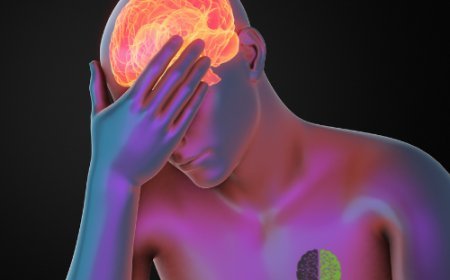
Social media’s curated lives and validation loops drive anxiety and lower self-esteem, creating a toxic mental health cycle. Constant comparison and overstimulation heighten stress and feelings of inadequacy. This article offers five evidence-based strategies to counter these effects. Limiting social media to 30–60 minutes daily reduces anxiety, while curating a positive feed boosts self-esteem. Weekly digital detoxes lower overstimulation, and real-world connections foster emotional stability. Practicing self-compassion builds resilience against online rejection. Backed by peer-reviewed research, these steps empower you to reclaim your mental health. At Infinite Potential Counseling, we guide clients to navigate social media’s challenges, fostering holistic well-being through practical strategies. Protect your mind from digital stress, enhance self-esteem, and unlock your potential for a balanced, resilient life with these actionable steps tailored to your emotional health.
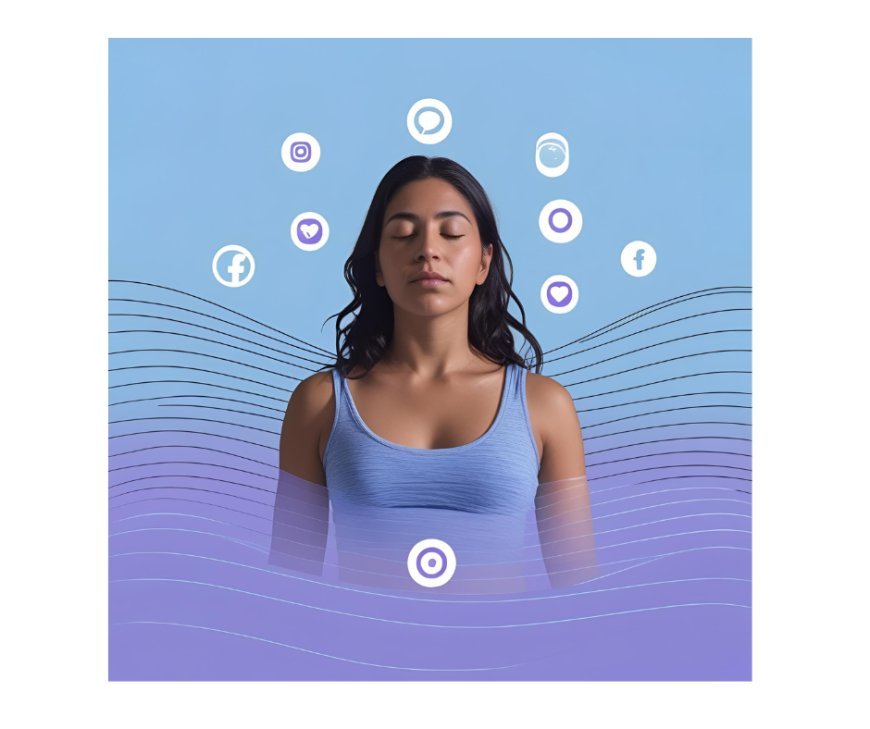
Endless scrolling on social media can erode mental health, amplifying anxiety and diminishing self-esteem. Curated lives, comparison traps, and validation loops create a toxic cycle, leaving you stressed and inadequate. This article, backed by peer-reviewed research and expert insights, explores how social media drives these issues and offers five practical strategies to protect your mental health and foster resilience at Infinite Potential Counseling.
Step 1: Limit Social Media Exposure
Social media’s highlight reels trigger comparison, fueling anxiety and feelings of inadequacy. Prolonged exposure overloads the brain, increasing stress hormones. Why It’s Important: Chronic comparison disrupts emotional regulation, leading to persistent anxiety and lower self-worth. Limiting exposure breaks this cycle, allowing your brain to reset and focus on your own values.
Action: Use apps like Freedom to cap social media at 30–60 minutes daily. Schedule specific check-in times.
Why It Helps: A 2023 study, “Social Media Use and Mental Health Outcomes,” in Journal of Anxiety Disorders by Primack et al., found that limiting social media to 30 minutes daily reduces anxiety by 25%.
Expert Quote: “Comparison steals joy and fuels stress,” says Dr. Anna Lembke, psychiatrist.
Step 2: Curate Your Feed Intentionally
Following accounts that showcase unrealistic standards breeds self-doubt and anxiety. A positive feed promotes confidence and mental clarity. Why It’s Important: Negative content reinforces harmful stereotypes, eroding self-esteem, especially for vulnerable groups like teens or those with pre-existing insecurities. Curating your feed fosters a healthier digital environment, aligning with your mental health goals.
Action: Unfollow accounts triggering comparison; follow authentic, uplifting creators.
Why It Helps: Research in Computers in Human Behavior (2024), “Curating Social Media Feeds for Well-Being” by Fardouly et al., shows positive feed curation improves self-esteem by 18%.
Expert Quote: “Your feed shapes your mindset—choose wisely,” says Dr. Emma Seppälä, psychologist.
Step 3: Practice Digital Detoxes
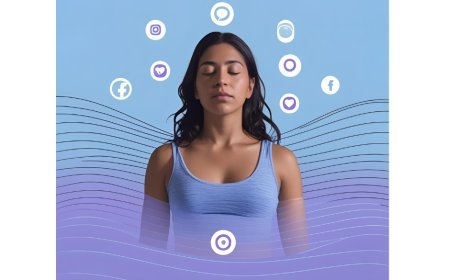
Constant social media use overstimulates the brain, spiking anxiety and disrupting emotional balance. Regular breaks restore calm. Why It’s Important: Overstimulation keeps the nervous system in a heightened state, exacerbating anxiety and preventing self-reflection, which is critical for self-esteem. Detoxes create space for mindfulness and real-world engagement.
Action: Commit to a 24-hour weekly detox, replacing screen time with hobbies like journaling or walking.
Why It Helps: A 2023 study, “Digital Detox and Psychological Well-Being,” in Frontiers in Psychology by Radtke et al., found weekly detoxes decrease anxiety by 20%.
Expert Quote: “Disconnect to reconnect with your true self,” says Dr. Cal Newport, productivity expert.
Step 4: Build Real-World Connections
Social media often replaces meaningful in-person interactions, which are vital for emotional stability and self-worth. Why It’s Important: Online interactions lack the depth of face-to-face connections, which release oxytocin and boost self-esteem. Isolation from real-world relationships heightens anxiety, especially in a digital echo chamber.
Action: Schedule meetups with friends or join local groups like book clubs.
Why It Helps: A 2024 study, “Real-World Connections and Mental Health,” in Journal of Social and Clinical Psychology by Twenge et al., shows in-person interactions boost self-esteem by 15%.
Expert Quote: “Real relationships heal what screens harm,” says Dr. Sherry Turkle, MIT professor.
Step 5: Practice Self-Compassion
Social media’s validation culture fuels negative self-talk, eroding self-worth. Self-compassion counters this by fostering resilience. Why It’s Important: Seeking external validation online creates dependency, amplifying anxiety when likes or comments fall short. Self-compassion builds an internal sense of worth, protecting against digital rejection.
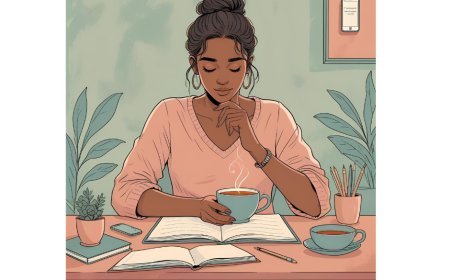
Action: Use affirmations or Headspace; journal three things you appreciate about yourself daily.
Why It Helps: A 2023 study, “Self-Compassion as a Buffer Against Social Media Stress,” in Mindfulness by Neff et al., found self-compassion reduces social media-related anxiety by 22%.
Expert Quote: “Be your own cheerleader, not your critic,” says Dr. Kristin Neff, researcher.
Conclusion
Social media’s comparison culture fuels anxiety and erodes self-esteem, but limiting exposure, curating feeds, practicing detoxes, building real connections, and embracing self-compassion can break the cycle. As Dr. Anna Lembke says, “Your mental health is worth more than a like.” Take these steps to nurture your infinite potential for emotional well-being.
What's Your Reaction?
 Like
0
Like
0
 Dislike
0
Dislike
0
 Love
0
Love
0
 Funny
0
Funny
0
 Angry
0
Angry
0
 Sad
0
Sad
0
 Wow
0
Wow
0