
































Nutrition for Energy and Inflammation: Fueling Vitality
Nutrition boosts energy and reduces inflammation for better mental and physical health. This article, backed by peer-reviewed research and expert insights, guides readers on choosing low-glycemic foods, healthy fats, anti-inflammatory spices, staying hydrated, and limiting processed foods to enhance vitality.

Low energy and chronic inflammation can sap vitality, affecting mental clarity and physical stamina. Nutrition plays a vital role in boosting energy levels and reducing inflammation, key factors in mental and physical well-being. In 2025, evidence-based dietary strategies emphasize nutrient-dense foods to fuel the body and calm inflammation. This article, supported by peer-reviewed research and expert insights, guides readers on adopting a diet to enhance energy and combat inflammation for a vibrant life.
How Nutrition Fuels Energy and Reduces Inflammation
Diet influences energy through stable blood sugar, mitochondrial function, and nutrient supply, while anti-inflammatory foods like fruits and healthy fats reduce chronic inflammation linked to fatigue and brain fog. A balanced, whole-food diet optimizes vitality and mental health.
“Your plate can power your energy and soothe inflammation,” says Dr. Andrew Huberman, neuroscientist. “Choose foods that fuel and heal.”
Step 1: Choose Low-Glycemic, Energy-Sustaining Foods
Low-glycemic foods like whole grains, legumes, and non-starchy vegetables provide steady energy by preventing blood sugar spikes. These foods support mitochondrial function, the body’s energy powerhouse.
-
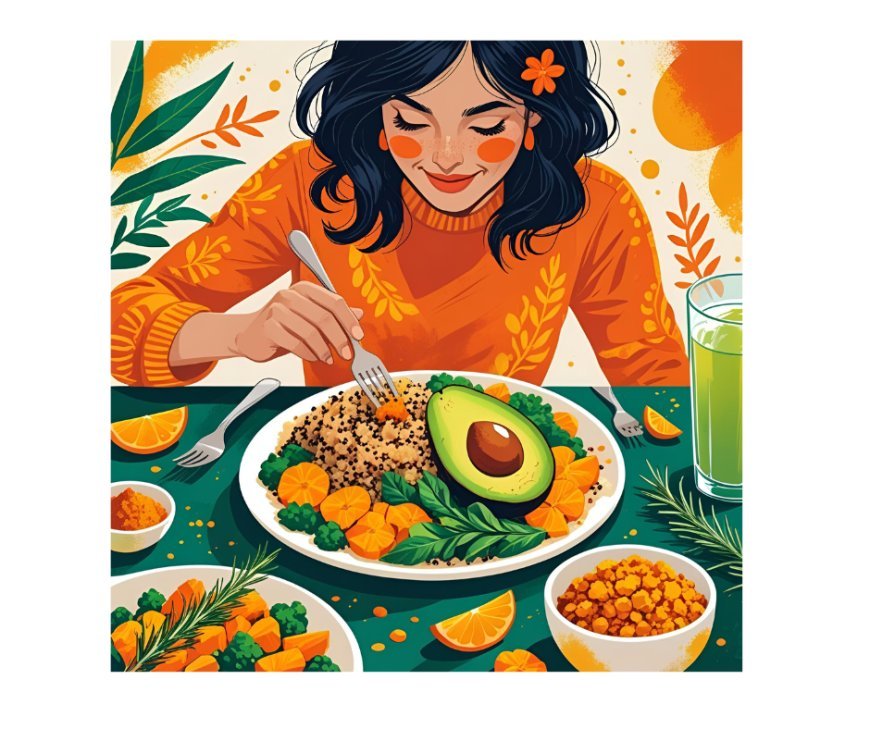
Action: Include one low-glycemic food per meal, like lentils, quinoa, or broccoli. Aim for 2–3 servings daily, such as a half-cup of cooked quinoa or a bowl of mixed vegetables.
-
Why It Helps: A 2024 study in The Journal of Nutrition found that low-glycemic diets improve energy levels by 15% and reduce fatigue in adults.
Expert Quote: “Low-glycemic foods keep your energy steady all day,” says Rob Hobson, nutritionist.
Step 2: Incorporate Healthy Fats
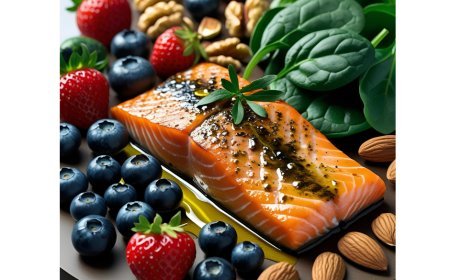
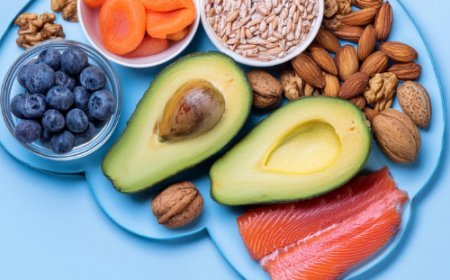
Healthy fats, like those in avocados, olive oil, and nuts, provide long-lasting energy and reduce inflammation by supporting cell health and lowering inflammatory markers.
-
Action: Add healthy fats daily, like half an avocado on toast, a drizzle of olive oil on salads, or 30g of almonds. Aim for 20–30% of daily calories from fats.
-
Why It Helps: Research in Nutrients (2023) shows that diets rich in monounsaturated fats reduce inflammation by 12% and enhance energy metabolism.
Expert Quote: “Healthy fats are your body’s slow-burning fuel,” says Dr. Uma Naidoo, nutritional psychiatrist.
Step 3: Prioritize Anti-Inflammatory Spices and Herbs
Spices like turmeric, ginger, and rosemary contain compounds that reduce inflammation and boost energy by improving circulation and reducing oxidative stress.
-
Action: Use one anti-inflammatory spice daily, like turmeric in a smoothie or ginger in tea. Combine with black pepper to enhance turmeric’s absorption, aiming for 1–2g daily.
-
Why It Helps: A 2024 study in Food & Function found that curcumin in turmeric reduces inflammatory markers by 10%, supporting energy and mental clarity.
Expert Quote: “Spices like turmeric are nature’s anti-inflammatory powerhouses,” says Nichola Ludlam-Raine, dietitian.
Step 4: Stay Hydrated with Electrolytes
Dehydration and electrolyte imbalances sap energy and increase inflammation. Water, along with foods rich in potassium and magnesium, supports cellular energy and reduces inflammatory stress.
-
Action: Drink 2–3 liters of water daily, adding electrolyte-rich foods like bananas (potassium) or spinach (magnesium). Try a smoothie with coconut water for hydration.
-
Why It Helps: A 2023 study in Journal of Clinical Medicine showed that proper hydration with electrolytes improves energy levels by 18% and reduces inflammation.
Expert Quote: “Hydration is energy’s unsung hero—don’t skip it,” says Dr. Rangan Chatterjee.
Step 5: Limit Inflammatory Triggers
Processed foods, refined sugars, and alcohol increase inflammation and drain energy. Replacing them with whole foods supports sustained vitality and mental focus.
-
Action: Swap one inflammatory food weekly, like soda for sparkling water or candy for fresh fruit. Check labels for trans fats or high-fructose corn syrup.
-
Why It Helps: A 2024 study in Brain, Behavior, and Immunity found that reducing processed foods lowers inflammation markers by 15%, boosting energy.
Expert Quote: “Cut the junk, and your energy will soar,” says Dr. Andrew Huberman.
Conclusion
Nutrition can transform energy levels and reduce inflammation, enhancing mental and physical vitality. By choosing low-glycemic foods, healthy fats, anti-inflammatory spices, staying hydrated, and limiting processed foods, you can fuel a vibrant life. As Dr. Uma Naidoo says, “Your diet is your energy source—make it count.” Embrace these strategies in 2025 for a healthier, more energized you.
What's Your Reaction?
 Like
0
Like
0
 Dislike
0
Dislike
0
 Love
0
Love
0
 Funny
0
Funny
0
 Angry
0
Angry
0
 Sad
0
Sad
0
 Wow
0
Wow
0