





























How Diet Impacts Hormones and Mental Health: Foods to Avoid
Diet significantly influences hormonal balance, which directly impacts mental health. Foods high in sugar, ultra-processed ingredients, saturated fats, alcohol, and caffeine can disrupt hormones like insulin, cortisol, and estrogen, contributing to issues like anxiety, depression, and cognitive difficulties. A nutrient-rich diet with healthy fats, fiber, and fermented foods supports hormonal health and mental well-being. This article, backed by peer-reviewed studies, highlights foods to avoid and emphasizes consulting healthcare professionals for personalized advice.
The foods we eat play a critical role in shaping our hormonal balance, which in turn influences mental health. Hormones such as insulin, cortisol, thyroid hormones, and sex hormones like estrogen and testosterone act as chemical messengers, regulating processes like metabolism, stress response, and mood. Poor dietary choices can disrupt these hormones, contributing to mental health issues such as anxiety, depression, and cognitive difficulties. This article explores the connection between diet, hormones, and mental health, supported by peer-reviewed research, and highlights foods to avoid to minimize negative hormonal impacts.
The Diet-Hormone-Mental Health Connection
Nutrients from food serve as building blocks for hormone production and regulation. For instance, cholesterol is essential for synthesizing steroid hormones, while nutrients like iodine, selenium, and iron support thyroid function. Diets high in certain foods can disrupt hormonal balance, leading to cascading effects on mental well-being. For example, chronic consumption of high-sugar diets can promote insulin resistance, which is linked to increased inflammation and mood disorders. Similarly, imbalances in cortisol, the stress hormone, can exacerbate anxiety and appetite dysregulation, often triggered by dietary patterns like overeating or starvation.
The gut microbiome also plays a pivotal role. A healthy gut, supported by fiber-rich and plant-based diets, regulates hormones like cortisol, ghrelin, and insulin, which influence mood and stress responses. Conversely, diets high in processed foods can reduce gut microbiota diversity, increasing inflammation and disrupting hormone signaling, potentially worsening mental health outcomes.
Foods to Avoid for Hormonal Health
Certain foods can negatively impact hormonal balance, contributing to mental health challenges. Below are key categories to limit or avoid, supported by scientific evidence:
-
Ultra-Processed Foods
Ultra-processed foods, such as packaged snacks, ready-to-eat meals, and processed meats, are high in sodium, sugar, and preservatives. These foods can disrupt gut health, increase inflammation, and promote insulin resistance, which is linked to obesity and mood disorders like depression.-
Relevant Study: "Low-grade inflammation and ultra-processed foods consumption: A review" in Nutrients by authors Monteiro, C. A., et al. (2023). This review highlights how ultra-processed foods contribute to systemic inflammation, which disrupts hormonal signaling and increases the risk of mental health issues.
-
-
High-Sugar Foods and Beverages
Diets high in refined sugars, such as sodas, candies, and sugary pastries, cause rapid spikes in blood sugar and insulin levels. Over time, this can lead to insulin resistance, which is associated with weight gain, inflammation, and increased risk of depression. Fructose, commonly found in sugary drinks, is particularly harmful, promoting insulin resistance independent of calorie intake.-
Relevant Study: "Dietary fructose and the metabolic syndrome" in Nutrients by Taskinen, M. R., Packard, C. J., & Borén, J. (2019). This study discusses how fructose intake from sugary beverages contributes to insulin resistance, affecting metabolic and mental health.
-
-
Excessive Saturated and Hydrogenated Fats
Red meat and processed foods high in saturated and hydrogenated fats can increase estrogen levels, potentially leading to hormonal imbalances. These fats also activate receptors like PPARγ, promoting fat storage and overeating, which can exacerbate obesity-related mood disorders.-
Relevant Study: "Food as a Hormone" in Science by Ryan, K. K., & Seeley, R. J. (2013). This article explains how dietary fats interact with hormone-like signaling pathways, contributing to weight gain and mental health challenges.
-
-
Excessive Alcohol
Alcohol disrupts multiple hormonal pathways, including those involving the hypothalamus and pituitary gland, which regulate reproductive hormones like estrogen and progesterone. High alcohol intake is linked to menstrual irregularities, reduced fertility, and increased cortisol levels, which can worsen anxiety and stress.-
Relevant Study: "Pathophysiology of the effects of alcohol abuse on the endocrine system" in Alcohol Research by Rachdaoui, N., & Sarkar, D. K. (2017). This review details how alcohol impacts hormonal balance, contributing to mood and reproductive health issues.
-
-
High-Caffeine Foods and Drinks
Excessive caffeine intake, found in coffee, energy drinks, and some teas, can elevate cortisol levels and disrupt the circadian rhythm, affecting melatonin production and sleep quality. Poor sleep is closely linked to hormonal imbalances and mental health issues like anxiety and depression.-
Relevant Study: "Caffeine stimulation of cortisol secretion across the waking hours in relation to caffeine intake levels" in Psychosomatic Medicine by Lovallo, W. R., et al. (2008). This study demonstrates how caffeine increases cortisol, potentially exacerbating stress-related mental health conditions.
-
Supporting Hormonal and Mental Health Through Diet
To promote hormonal balance and mental well-being, focus on a nutrient-rich, balanced diet. Incorporate:
-
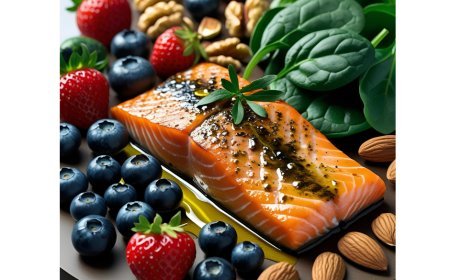
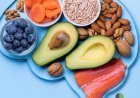
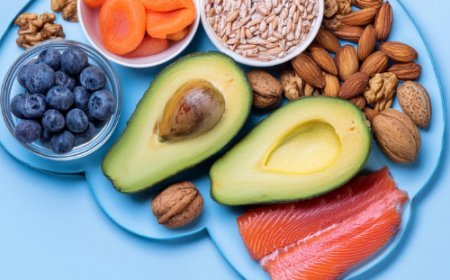
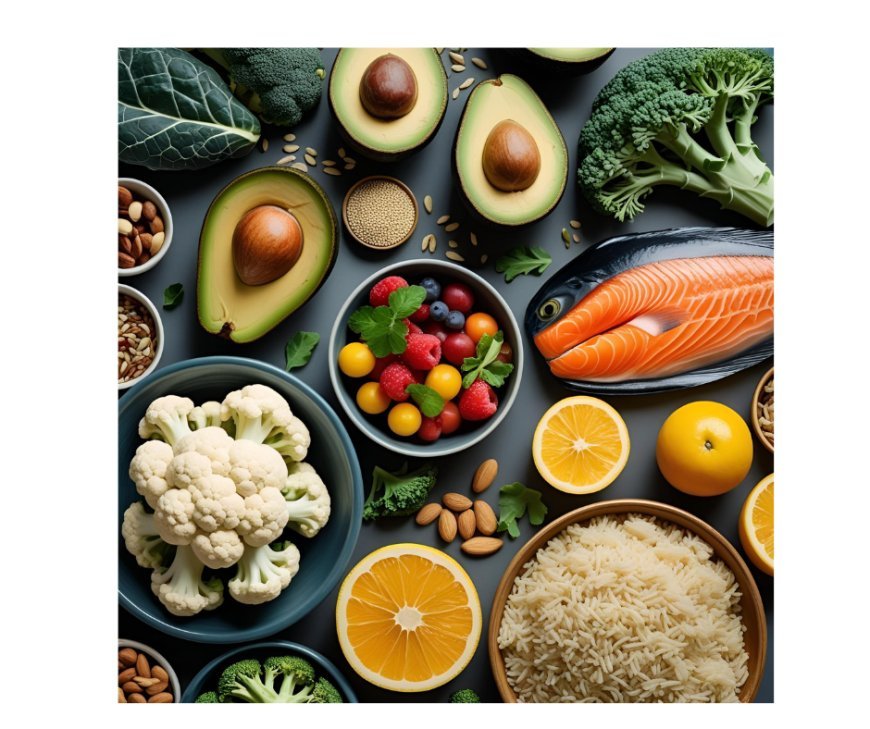
Healthy Fats: Avocados, nuts, seeds, and fatty fish like salmon provide omega-3 fatty acids, which reduce inflammation and support hormone production.
-
Fiber-Rich Foods: Fruits, vegetables, and whole grains like quinoa and brown rice support gut health and regulate hormones like insulin and GLP-1.
-
Cruciferous Vegetables: Broccoli, kale, and cauliflower contain compounds like indole-3-carbinol, which aid in estrogen detoxification.
-
Probiotic Foods: Fermented foods like yogurt and kimchi promote a healthy gut microbiome, linked to better hormonal and mental health outcomes.
Conclusion
Diet profoundly influences hormonal balance, which in turn affects mental health. Avoiding ultra-processed foods, high-sugar items, excessive saturated fats, alcohol, and caffeine can help minimize negative hormonal impacts. Instead, prioritize whole, nutrient-dense foods to support hormone production and gut health, fostering better mental well-being. Always consult a healthcare professional for personalized advice, especially if experiencing symptoms of hormonal imbalance or mental health concerns.
What's Your Reaction?
 Like
0
Like
0
 Dislike
0
Dislike
0
 Love
0
Love
0
 Funny
0
Funny
0
 Angry
0
Angry
0
 Sad
0
Sad
0
 Wow
0
Wow
0