






























Social Media and Sleep: How Screens Disrupt Your Rest
Social media disrupts sleep through blue light and overstimulation, harming mental health. This article, backed by peer-reviewed research and expert insights, guides readers on limiting screen exposure, creating bedtime routines, using technology wisely, replacing scrolling with relaxation, and prioritizing sleep hygiene for better rest and well-being.
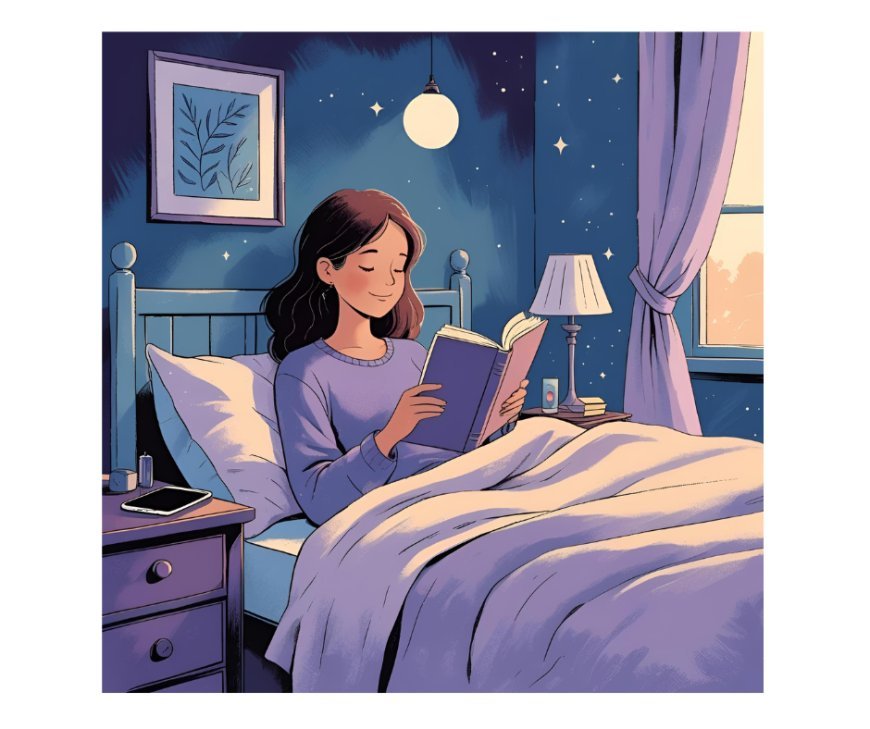
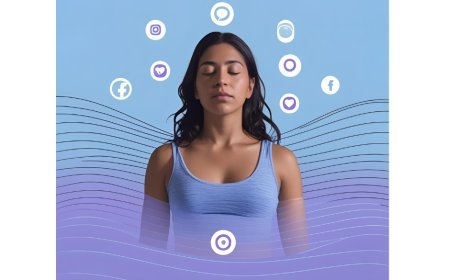
Endless scrolling on social media before bed can sabotage sleep quality, leaving you tired, irritable, and mentally foggy. The blue light from screens and the emotional stimulation of online content disrupt your body’s natural sleep rhythms, impacting mental health. This article, supported by peer-reviewed research and expert insights, explores how social media affects sleep and offers practical strategies to protect your rest and well-being.
How Social Media Disrupts Sleep
Social media use, especially at night, suppresses melatonin production due to blue light exposure and stimulates the brain with engaging content, delaying sleep onset. Poor sleep is linked to increased stress, anxiety, and mood imbalances, creating a cycle of mental health challenges.
“Screens at night steal your sleep and your calm,” says Dr. Andrew Huberman, neuroscientist. “Protecting rest is protecting your mind.”
Step 1: Limit Nighttime Screen Exposure
Blue light from social media devices disrupts melatonin, the hormone that signals sleep. Reducing screen time before bed helps restore natural sleep cycles.
-
Action: Stop using social media 1–2 hours before bed. Use blue-light-blocking glasses or enable night mode on devices if evening use is unavoidable.
-
Why It Helps: A 2023 study in Sleep Medicine found that avoiding screens two hours before bed improves sleep quality by 20%.
Expert Quote: “Blue light tricks your brain into thinking it’s daytime,” says Dr. Uma Naidoo, nutritional psychiatrist.
Step 2: Create a Bedtime Routine
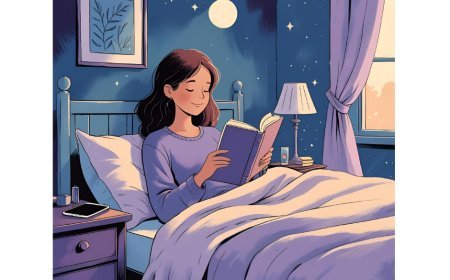
A consistent, screen-free bedtime routine signals your body to wind down, countering the stimulation of social media. Activities like reading or meditation promote relaxation.
-
Action: Establish a 30-minute bedtime routine, such as reading a physical book, journaling, or practicing deep breathing. Keep devices out of the bedroom.
-
Why It Helps: Research in Journal of Clinical Sleep Medicine (2024) shows that consistent bedtime routines improve sleep onset by 15%.
Expert Quote: “A calm routine is your sleep’s best friend,” says Nichola Ludlam-Raine, dietitian and wellness advocate.
Step 3: Use Technology Wisely
Apps and settings can help reduce social media’s impact on sleep by limiting notifications and screen brightness, minimizing disruptions to your circadian rhythm.
-
Action: Set “do not disturb” mode on your phone after 8 PM and use apps like Twilight to reduce blue light. Schedule social media time earlier in the day.
-
Why It Helps: A 2023 study in Computers in Human Behavior found that notification restrictions improve sleep duration by 10%.
Expert Quote: “Tech can be an ally if you set boundaries,” says Dr. Rangan Chatterjee, wellness expert.
Step 4: Replace Scrolling with Relaxation
Swapping late-night scrolling for calming activities reduces mental stimulation and promotes restful sleep, supporting emotional balance.
-
Action: Replace 30 minutes of evening social media with activities like yoga, listening to calming music, or a warm bath. Try a guided meditation app like Calm.
-
Why It Helps: A 2024 study in Frontiers in Psychology showed that relaxation activities before bed reduce insomnia symptoms by 18%.
Expert Quote: “Swap the scroll for serenity to reclaim your sleep,” says Rob Hobson, nutritionist.
Step 5: Prioritize Sleep Hygiene
Good sleep hygiene—dark, cool bedrooms and consistent sleep schedules—enhances rest quality, countering social media’s disruptive effects and boosting mental health.
-
Action: Keep your bedroom dark with blackout curtains, maintain a cool temperature (16–20°C), and stick to a fixed sleep schedule, even on weekends.
-
Why It Helps: Research in Sleep (2023) found that strong sleep hygiene improves sleep quality by 22% and reduces daytime fatigue.
Expert Quote: “A sleep-friendly environment is your mental health’s foundation,” says Dr. Andrew Huberman.
Conclusion
Social media’s impact on sleep can harm mental health, but you can protect your rest by limiting nighttime screen exposure, creating a bedtime routine, using technology wisely, replacing scrolling with relaxation, and prioritizing sleep hygiene. As Dr. Uma Naidoo says, “Good sleep starts with saying no to screens.” Embrace these strategies to restore restful nights and a healthier mind.
What's Your Reaction?
 Like
0
Like
0
 Dislike
0
Dislike
0
 Love
0
Love
0
 Funny
0
Funny
0
 Angry
0
Angry
0
 Sad
0
Sad
0
 Wow
0
Wow
0