
































Adaptogens Uncovered: Using Stress-Busting Supplements Wisely in 2025
Adaptogens like ashwagandha are trending in 2025 for stress relief, but cautious use is essential. This article, backed by peer-reviewed research and expert insights, guides readers on understanding adaptogens, choosing quality options, complementing with whole foods, practicing holistic stress management, and consulting professionals for safe, effective use.

In 2025, adaptogens like ashwagandha, rhodiola, and ginseng are trending on social media, especially among men’s health influencers on TikTok and Instagram, for their potential to reduce stress and boost energy. With ashwagandha as the UK’s most-searched supplement, per recent web sources, these plant-based compounds are celebrated for supporting well-being. However, mixed evidence and misinformation on platforms like X highlight the need for cautious use. This article, supported by peer-reviewed research and expert insights, guides readers on using adaptogens wisely, complementing them with stress-reducing whole foods.
Why Adaptogens Are Trending
Adaptogens are herbs that may help the body adapt to stress by regulating cortisol, the stress hormone. Social media’s #AdaptogenTrend showcases them in teas, powders, and smoothies, with users claiming benefits like better focus and calm. While promising, experts urge moderation, as overuse can cause side effects like digestive upset or interactions with medications.
“Adaptogens can support stress management, but they’re not magic—use them wisely,” says Nichola Ludlam-Raine, dietitian. “Whole foods are your first line of defense.”
Step 1: Understand Adaptogens’ Benefits and Risks
Adaptogens like ashwagandha may lower cortisol and improve mood, while rhodiola may enhance energy. However, evidence is mixed, and risks include side effects or interactions with medications like antidepressants. Social media often exaggerates benefits, with only 2.1% of TikTok nutrition content accurate.
-
Action: Research adaptogens like ashwagandha or rhodiola using credible sources like PubMed or Mayo Clinic. Consult a healthcare provider before starting, especially if you have thyroid or autoimmune conditions.
-
Why It Helps: A 2023 study in Journal of Clinical Medicine found that ashwagandha reduces cortisol by 15% in some users but may cause mild side effects in 10% of cases.
Expert Quote: “Adaptogens can be a tool, but they’re not a cure-all—evidence matters,” says Dr. Andrew Huberman, neuroscientist.
Step 2: Choose Evidence-Based Adaptogens
Focus on well-studied adaptogens like ashwagandha, rhodiola, or holy basil, available in capsules, teas, or powders. Social media’s #AdaptogenSmoothie trend promotes blending these with whole foods, but quality and dosage matter to avoid ineffective or unsafe products.
-
Action: Select adaptogens from reputable brands with third-party testing, like those certified by NSF or USP. Start with low doses, e.g., 300mg ashwagandha daily, and follow package instructions. Avoid unverified TikTok “adaptogen stacks.”
-
Why It Helps: Research in Nutrients (2024) shows that standardized ashwagandha extracts improve stress resilience but untested products may lack efficacy.
Expert Quote: “Quality adaptogens from trusted sources make all the difference,” says Rob Hobson, nutritionist.
Step 3: Complement with Stress-Reducing Whole Foods
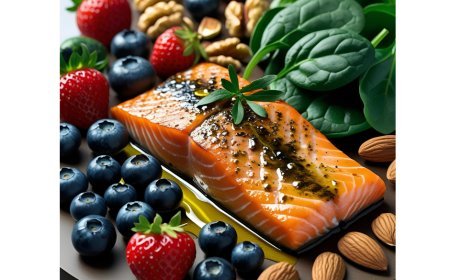
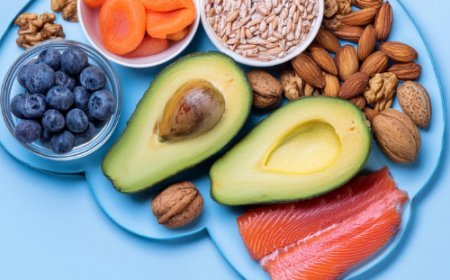
Whole foods like berries, nuts, and leafy greens support stress management by providing antioxidants and magnesium, complementing adaptogens. Instagram’s #StressFreeEating trend highlights recipes like blueberry smoothies or walnut-crusted salmon for holistic well-being.
-
Action: Add one stress-reducing food daily, like a handful of almonds (rich in magnesium) or a spinach salad. Pair with adaptogens, e.g., a rhodiola tea with a berry smoothie, for synergy.
-
Why It Helps: A 2023 study in The American Journal of Clinical Nutrition found that magnesium-rich diets reduce stress markers by 12%, enhancing adaptogen effects.
Expert Quote: “Whole foods amplify adaptogens’ benefits naturally,” says Dr. Rangan Chatterjee.
Step 4: Practice Holistic Stress Management
Adaptogens work best alongside lifestyle practices like mindfulness, exercise, or sleep hygiene. Social media’s #StressLess2025 trend promotes yoga and meditation, with users sharing routines that complement dietary changes.
-
Action: Incorporate a 10-minute daily practice, like guided meditation via apps like Calm or a brisk walk. Aim for 7–8 hours of sleep nightly to maximize adaptogen benefits.
-
Why It Helps: Research in Frontiers in Psychology (2024) shows that combining mindfulness with dietary changes reduces stress by 20% more than supplements alone.
Expert Quote: “Adaptogens are a piece of the puzzle—lifestyle seals the deal,” says Nichola Ludlam-Raine.
Step 5: Monitor Effects and Consult Professionals
Adaptogens affect everyone differently, and social media can oversell their benefits. Regular check-ins with a healthcare provider ensure safe use, especially for long-term supplementation or specific health conditions.
-
Action: Track mood, energy, and side effects in a journal for 2–4 weeks after starting an adaptogen. Schedule a consultation with a dietitian or doctor to adjust dosage or discontinue if needed, using platforms like the Academy of Nutrition and Dietetics.
-
Why It Helps: A 2024 study in Journal of Medical Internet Research found that professional oversight reduces supplement-related risks by 25%.
Expert Quote: “Listen to your body and a professional—adaptogens are tools, not miracles,” says Monica Bearden, nutrition expert.
Conclusion
Adaptogens are a 2025 social media favorite for stress relief, but wise use is key. By understanding their benefits, choosing evidence-based options, pairing with whole foods, practicing holistic stress management, and consulting professionals, you can harness their potential safely. As Dr. Andrew Huberman says, “Adaptogens support resilience, but balance is your true superpower.” Embrace mindful supplementation in 2025 for a calmer, healthier you.
What's Your Reaction?
 Like
0
Like
0
 Dislike
0
Dislike
0
 Love
0
Love
0
 Funny
0
Funny
0
 Angry
0
Angry
0
 Sad
0
Sad
0
 Wow
0
Wow
0