

























Understanding Childhood Anxiety: What It Looks Like, How It Differs from Adults, and Holistic Family Support Strategies
Discover how anxiety manifests in children differently from adults, with insights from peer-reviewed research. Learn holistic family approaches using diet, herbs, essential oils, and routines to help manage childhood anxiety effectively.

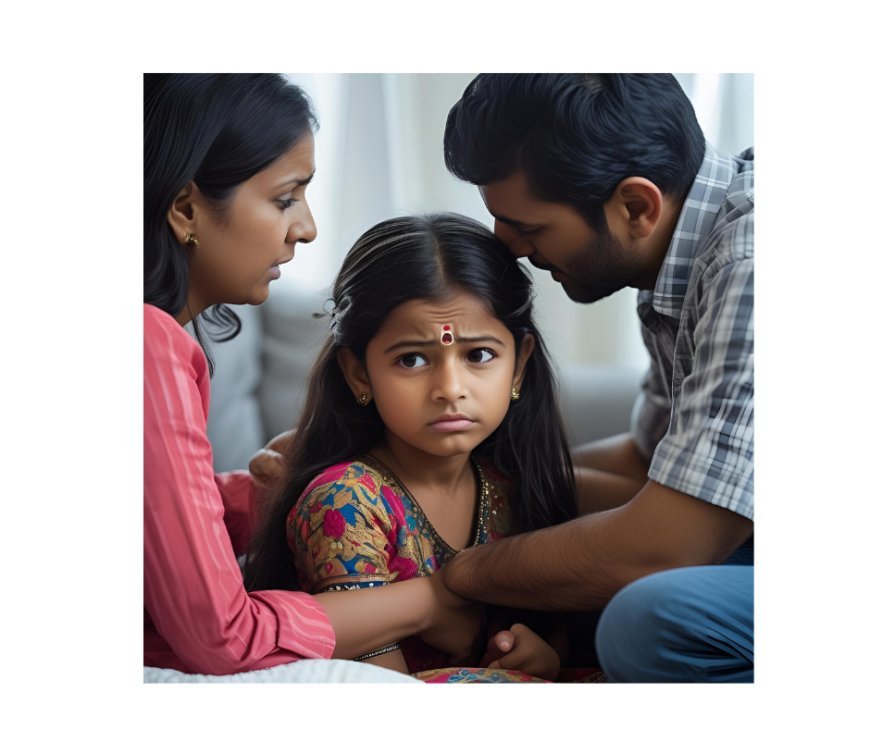
In an era where children's lives are increasingly filled with school pressures, social media, and global uncertainties, anxiety has become a common yet often misunderstood challenge. Unlike the occasional worry that everyone experiences, clinical anxiety in children can disrupt daily life, affecting school performance, relationships, and overall well-being. This article delves into the manifestations of anxiety in kids, highlighting key differences from adult experiences, backed by scientific insights. We'll also explore practical, family-oriented approaches to support children through diet, herbs, essential oils, and routines—methods that emphasize gentle, natural interventions to foster resilience without overwhelming families.
Recognizing Anxiety in Children: Signs and Symptoms
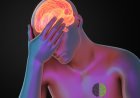
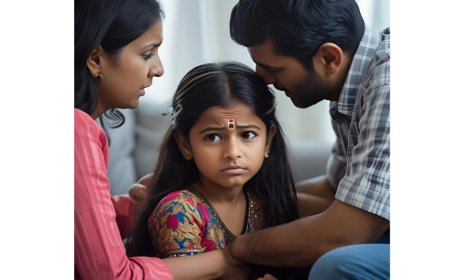
Anxiety in children often masquerades as something else—tantrums, tummy aches, or school refusal—making it tricky for parents and caregivers to identify. Common signs include excessive clinging to parents, fear of separation, avoidance of new situations, frequent nightmares, or physical complaints like headaches and stomach pain without medical cause. Behaviorally, kids might exhibit irritability, restlessness, or perfectionism, while emotionally, they could worry excessively about everyday things like tests or friendships.
These symptoms stem from a child's developing brain and limited ability to articulate feelings, leading to more somatic (body-based) expressions rather than verbal ones. For instance, a child might complain of a "sick feeling" before school, which is actually anxiety manifesting physically. Research shows that anxiety disorders typically emerge early, with many cases starting before age 12, and can persist if unaddressed.
How Childhood Anxiety Differs from Adult Anxiety
While anxiety shares core elements across ages—such as fear, worry, and avoidance—the presentation in children diverges significantly from adults due to developmental stages. Adults often experience cognitive symptoms like rumination on future events or self-doubt, articulated through thoughts like "What if I fail?" In contrast, children, with less mature emotional regulation and language skills, tend to show anxiety through behaviors: crying, tantrums, or physical symptoms like nausea. They may not recognize their feelings as anxiety, instead externalizing it as defiance or withdrawal.
Developmentally, children's anxiety is more tied to immediate fears (e.g., monsters, separation) versus adults' abstract concerns (e.g., finances, health). Studies indicate that while adults might seek help independently, children rely on caregivers to notice signs, and their anxiety can mimic other issues like ADHD. Moreover, prevalence differs: anxiety affects about 7% of children globally, often co-occurring with other conditions, whereas adult anxiety might be more isolated but chronic.
Peer-reviewed research underscores these distinctions. For example, one review highlights how children's anxiety involves more fear-based avoidance and parental involvement, unlike adults' internalized worry. These insights emphasize early intervention to prevent escalation into adulthood.
Here are the details of three key peer-reviewed articles referenced:
- Title: Anxiety and Anxiety Disorders in Children and Adolescents: Developmental Issues and Implications for DSM-V
Authors: Peter Muris, Andy P. Field
Journal Name: Current Psychiatry Reports
Publication Date: August 2010 - Title: Assessment and Treatment of Anxiety Among Children and Adolescents
Authors: Amanda M. Wehry, Katja Beesdo-Baum, Meghann M. Hennelly, Sucheta D. Connolly, Jeffrey R. Strawn
Journal Name: Focus: The Journal of Lifelong Learning in Psychiatry
Publication Date: April 2015 - Title: Anxiety Disorders in Children and Adolescents: Aetiology, Diagnosis and Treatment
Authors: Cathy Creswell, Polly Waite
Journal Name: BJPsych Advances
Publication Date: January 2018
These studies collectively illustrate the unique developmental lens through which childhood anxiety must be viewed, advocating for age-appropriate assessments and supports.
Family Strategies to Support Anxious Children: Holistic Approaches
While professional therapy like cognitive-behavioral therapy (CBT) is gold-standard, families can complement it with lifestyle tweaks. Below, we outline evidence-informed ways to help via diet, herbs, essential oils, and routines. Always consult a pediatrician before starting new regimens, especially for young children, as evidence for some natural methods is emerging and individual responses vary.
Nourishing the Mind Through Diet
Diet plays a pivotal role in brain health, with nutrient-rich foods potentially easing anxiety by stabilizing blood sugar and supporting neurotransmitter function. Research links poor diets high in sugar and processed foods to heightened mental health issues in youth, while balanced ones correlate with better emotional regulation.
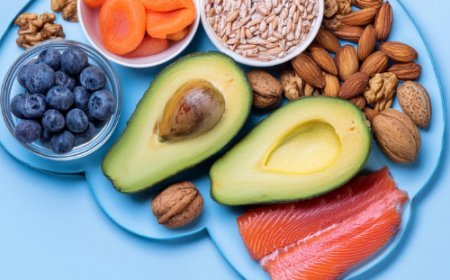
- Focus on Omega-3s and Whole Foods: Incorporate fatty fish like salmon, walnuts, or flaxseeds for omega-3 fatty acids, which may reduce inflammation linked to anxiety. Aim for colorful veggies, fruits, and whole grains to provide vitamins B and C for stress response.
- Limit Sugars and Caffeine: Swap sodas and sweets for herbal teas or water; studies suggest high sugar intake worsens anxiety symptoms in children.
- Family Tip: Start with one meal a day, like a smoothie with berries, yogurt, and spinach, to make it fun and gradual.
Calming with Herbs
Certain herbs have anxiolytic (anxiety-reducing) properties, backed by systematic reviews showing promise for mild cases, though more child-specific research is needed. Use under guidance, as dosages vary.
- Chamomile and Lemon Balm: These gentle herbs, in tea form, can promote relaxation. Chamomile may mimic mild sedatives, helping with sleep-related anxiety.
- Passionflower: Studies indicate it reduces restlessness; try child-safe tinctures.
- Family Tip: Brew a nightly herbal tea ritual, starting with small amounts (e.g., 1/2 cup) to monitor effects.
Soothing with Essential Oils
Aromatherapy via essential oils can activate calming brain pathways, with some trials showing reduced anxiety in pediatric settings like dental visits. Dilute oils properly and avoid ingestion.
- Lavender and Chamomile Oils: Diffuse or apply topically (diluted in carrier oil) to wrists; lavender has evidence for lowering heart rate and worry.
- Orange or Bergamot: These citrus scents uplift mood; use in a roller for school bags.
- Family Tip: Create a "calm corner" with a diffuser during homework, introducing one oil at a time to build association with relaxation.
Building Stability Through Routines
Consistent routines provide predictability, buffering against anxiety by reducing uncertainty. Evidence from pandemic-era studies shows routines lower emotional difficulties in children and parental stress.
- Daily Structure: Establish bedtime and morning rituals, like reading or deep breathing, to signal safety.
- Mindfulness Moments: Incorporate short family activities, such as a 5-minute gratitude journal or walk.
- Family Tip: Use visual charts for young kids; adjust gradually, like adding one new routine weekly, to avoid overwhelm.
By integrating these strategies, families can create a supportive environment that empowers children to manage anxiety naturally. Remember, these are adjuncts—not replacements—for professional care. With patience and consistency, many kids thrive, turning anxiety into a manageable part of growth. If symptoms persist, seek expert evaluation for tailored support.
**
Disclaimer: The content provided by Infinite Potential / Reinventing Mental Health is for informational and educational purposes only. While we are therapists, the information shared, including discussions on diets, herbs, essential oils, routines, or any health-related topics, is not intended to serve as personalized therapy, diagnose, treat, cure, or prevent any medical or mental health condition, including anxiety, vitamin deficiencies, or other issues. It does not replace professional therapeutic, medical, or psychological advice tailored to your individual circumstances. Always consult with a qualified healthcare professional, therapist, or pediatrician before making any changes to your or your child's diet, lifestyle, or treatment plan, especially if dealing with mental health concerns. Individual results may vary, and we assume no responsibility for any actions taken based on this content. If you or a loved one is experiencing a mental health crisis, seek immediate professional help.
What's Your Reaction?
 Like
0
Like
0
 Dislike
0
Dislike
0
 Love
0
Love
0
 Funny
0
Funny
0
 Angry
0
Angry
0
 Sad
0
Sad
0
 Wow
0
Wow
0