
































Nutrition for ADHD: Foods to Support Focus and Calm
Nutrition supports ADHD management by improving focus and reducing impulsivity. This article, backed by peer-reviewed research and expert insights, guides readers on incorporating omega-3s, zinc, magnesium, protein-rich low-glycemic foods, limiting sugar and additives, and maintaining structured eating to enhance mental clarity and well-being.
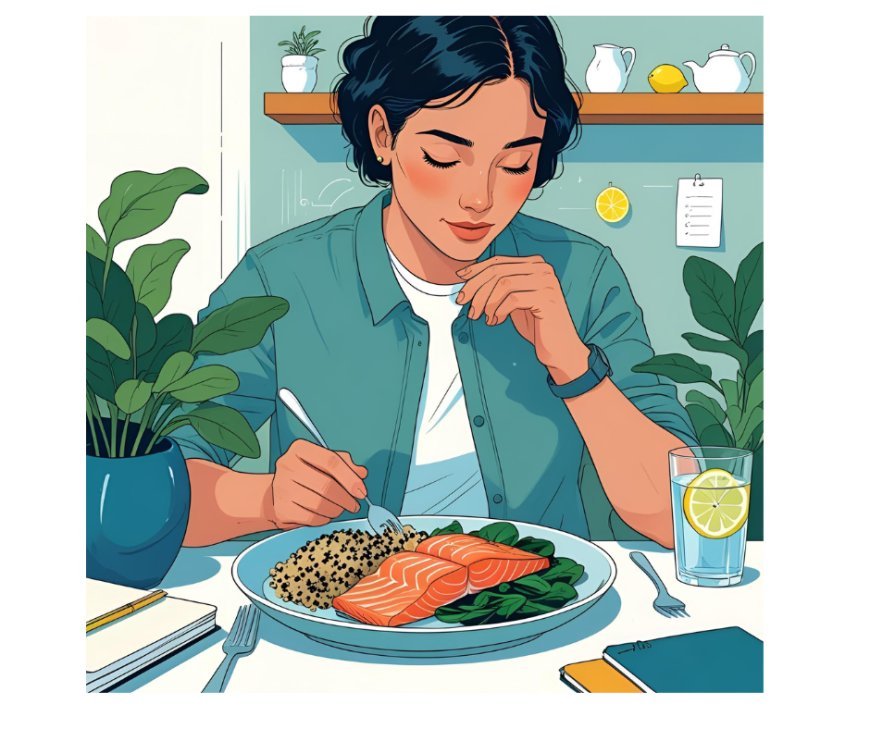
Attention-Deficit/Hyperactivity Disorder (ADHD) affects focus, impulse control, and emotional regulation, impacting daily life for millions. Nutrition can play a supportive role in managing ADHD symptoms by stabilizing blood sugar, enhancing brain function, and reducing inflammation. In 2025, research highlights how targeted dietary choices can complement ADHD treatment plans. This article, supported by peer-reviewed studies and expert insights, guides readers on adopting a nutrient-dense diet to improve focus, calm, and mental well-being for those with ADHD.
How Nutrition Influences ADHD
Diet affects ADHD through the gut-brain axis, neurotransmitter production, and inflammation. Nutrients like omega-3 fatty acids, zinc, and magnesium support dopamine and norepinephrine, key neurotransmitters for focus and impulse control, while processed foods and sugar spikes can worsen hyperactivity and inattention. A balanced diet can enhance cognitive function and emotional stability, complementing therapy or medication.
“Nutrition is a key piece of the ADHD puzzle—feed your brain for better focus,” says Dr. Uma Naidoo, nutritional psychiatrist.
Step 1: Prioritize Omega-3 Fatty Acids
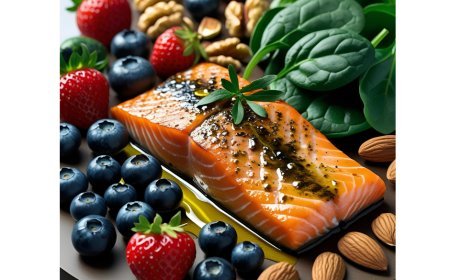
Omega-3 fatty acids, found in fatty fish, chia seeds, and walnuts, support brain health by enhancing dopamine signaling and reducing inflammation, which can improve focus and reduce impulsivity in ADHD.
-
Action: Include omega-3-rich foods three times weekly, such as salmon, chia pudding, or a handful of walnuts. Aim for 1–2g of omega-3s daily, equivalent to a 100g salmon fillet or 2 tbsp chia seeds.
-
Why It Helps: A 2023 study in Journal of Child Psychology and Psychiatry found that omega-3 supplementation improved attention and behavior in children with ADHD by 15%.
Expert Quote: “Omega-3s are brain fuel for ADHD, boosting focus and calm,” says Dr. Rangan Chatterjee, wellness expert.
Step 2: Boost Zinc and Magnesium Intake
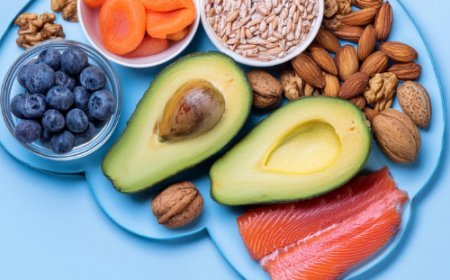
Zinc and magnesium, found in nuts, seeds, and leafy greens, regulate dopamine and support nervous system function, helping to reduce hyperactivity and improve concentration. Low levels are common in individuals with ADHD.
-
Action: Add zinc- and magnesium-rich foods daily, like pumpkin seeds (zinc, 2mg/30g) or spinach (magnesium, 79mg/half-cup cooked). Aim for 8–11mg zinc and 300–400mg magnesium daily.
-
Why It Helps: A 2024 study in Nutrients showed that zinc and magnesium supplementation improved ADHD symptoms by 12% in adults and children.
Expert Quote: “Zinc and magnesium are like anchors for an ADHD brain,” says Nichola Ludlam-Raine, dietitian.
Step 3: Choose Protein-Rich, Low-Glycemic Foods
Protein and low-glycemic foods, like eggs, lentils, and quinoa, stabilize blood sugar, preventing energy crashes that exacerbate inattention and impulsivity. Protein also supports neurotransmitter production.
-
Action: Include protein and low-glycemic carbs in every meal, such as eggs with whole-grain toast for breakfast or a lentil-quinoa salad for lunch. Aim for 20–30g protein per meal.
-
Why It Helps: Research in Pediatrics (2023) found that low-glycemic, protein-rich diets reduced ADHD-related hyperactivity by 10% in children.
Expert Quote: “Protein and steady carbs keep the ADHD brain on track,” says Dr. Andrew Huberman, neuroscientist.
Step 4: Limit Sugar and Artificial Additives
High-sugar foods and artificial additives, like dyes in processed snacks, can worsen ADHD symptoms by spiking blood sugar and increasing inflammation. Avoiding these supports cognitive clarity.
-
Action: Replace sugary snacks with whole foods, like fruit or unsweetened yogurt, and avoid artificial dyes in candies or drinks. Check labels for additives like Red 40 or Yellow 5.
-
Why It Helps: A 2024 study in Journal of Attention Disorders found that reducing sugar and artificial additives improved attention in ADHD patients by 13%.
Expert Quote: “Cutting sugar and dyes clears the fog for ADHD focus,” says Dr. Uma Naidoo.
Step 5: Practice Structured Eating Routines
Consistent meal timing supports blood sugar stability and cognitive function, reducing ADHD-related impulsivity. Structured eating also fosters mindfulness, helping individuals stay present.
-
Action: Eat three balanced meals at regular times daily, with snacks like nuts or fruit between. Set reminders for meals and create a calm dining environment, free of distractions.
-
Why It Helps: A 2023 study in Nutritional Neuroscience showed that structured eating patterns improved focus and reduced impulsivity in ADHD patients by 15%.
Expert Quote: “Routine eating is a game-changer for ADHD clarity,” says Rob Hobson, nutritionist.
Conclusion
Nutrition can significantly support ADHD management by enhancing focus, reducing impulsivity, and promoting calm. By prioritizing omega-3s, zinc, magnesium, protein-rich low-glycemic foods, limiting sugar and additives, and maintaining structured eating routines, you can bolster mental well-being. As Dr. Rangan Chatterjee says, “Your diet can empower your ADHD brain to thrive.” Embrace these strategies in 2025 for sharper focus and a calmer mind.
What's Your Reaction?
 Like
0
Like
0
 Dislike
0
Dislike
0
 Love
0
Love
0
 Funny
0
Funny
0
 Angry
0
Angry
0
 Sad
0
Sad
0
 Wow
0
Wow
0